Soup’s On! – Updated for 2026
The first few years of my gluten free life, I searched high and low for soup pasta. There are so many more options available today, but if you are struggling to find gluten free pasta for your holiday soups and winter comfort food, here are some ideas that I hope you find helpful.
This post contains affiliate links.
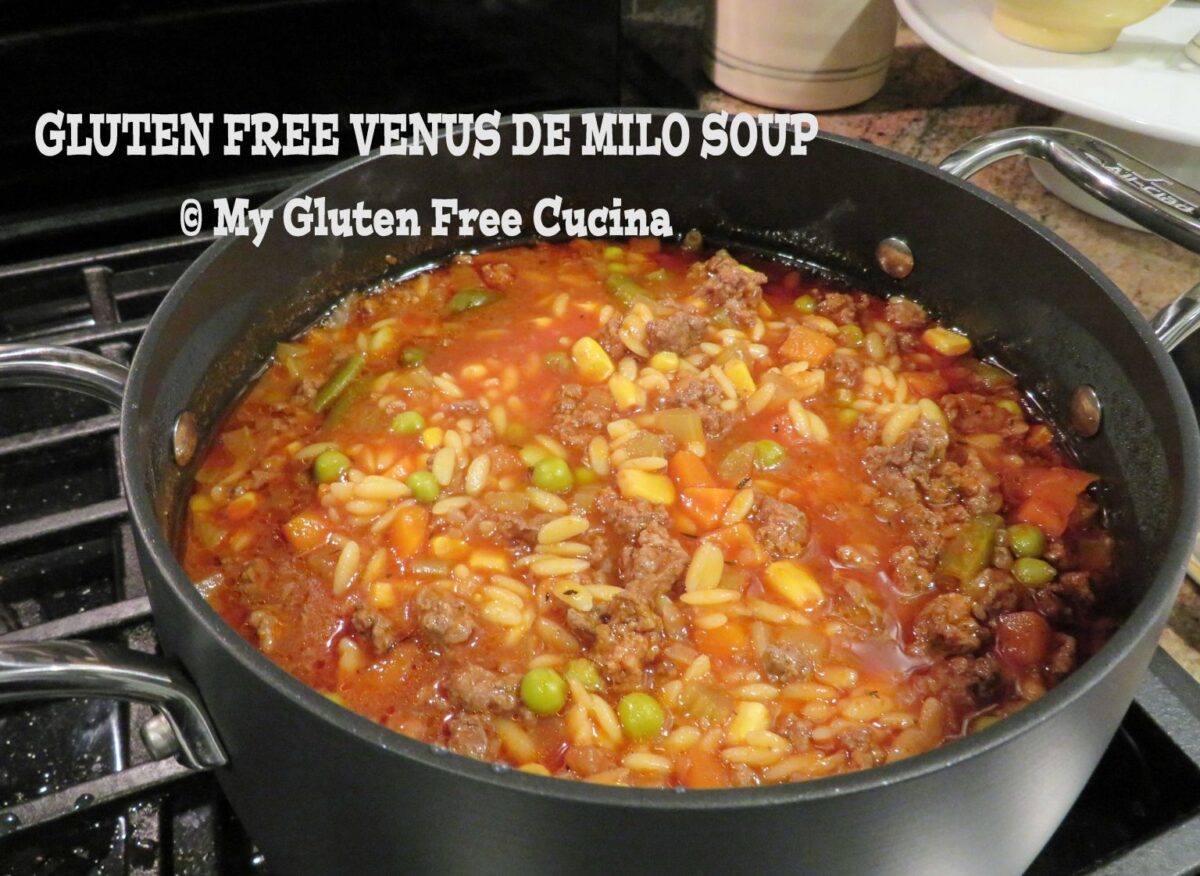
Gluten Free Orzo
Probably the most familiar of all soup pastas, now you can have Gluten Free Orzo pasta from Delallo. Try it in my Venus de Milo Soup.
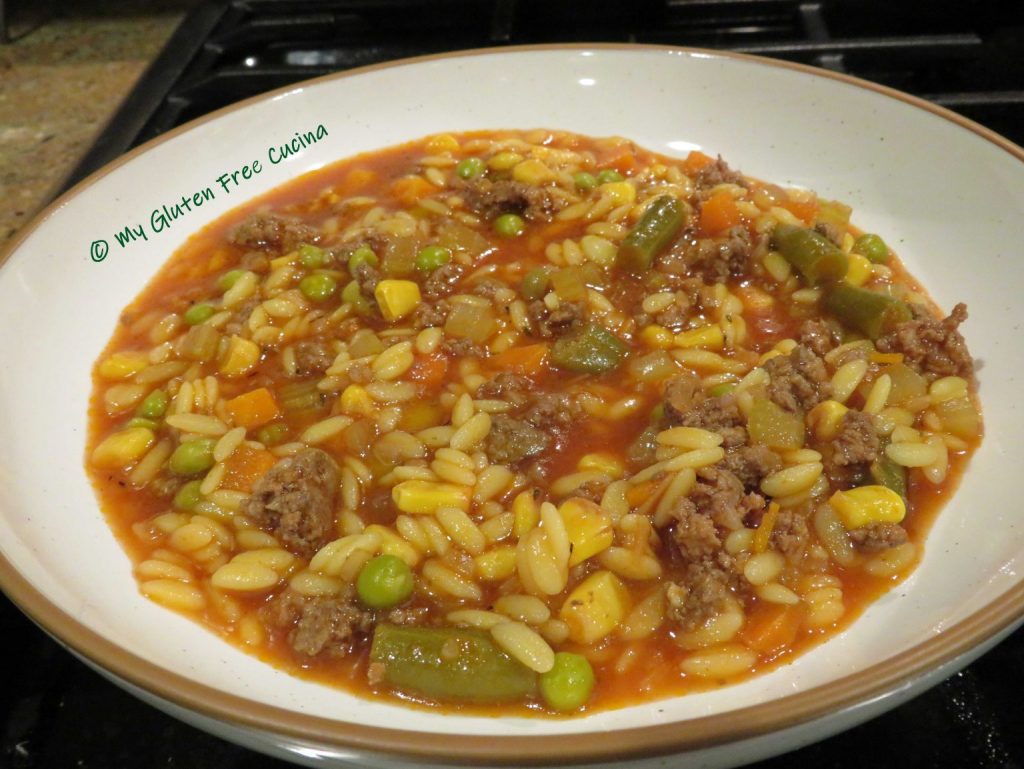
Gluten Free Anellini
This one makes me nostalgic for my grandmother’s kitchen. 👵🏻 When I was little, she would make it for me, with just a pat of butter.
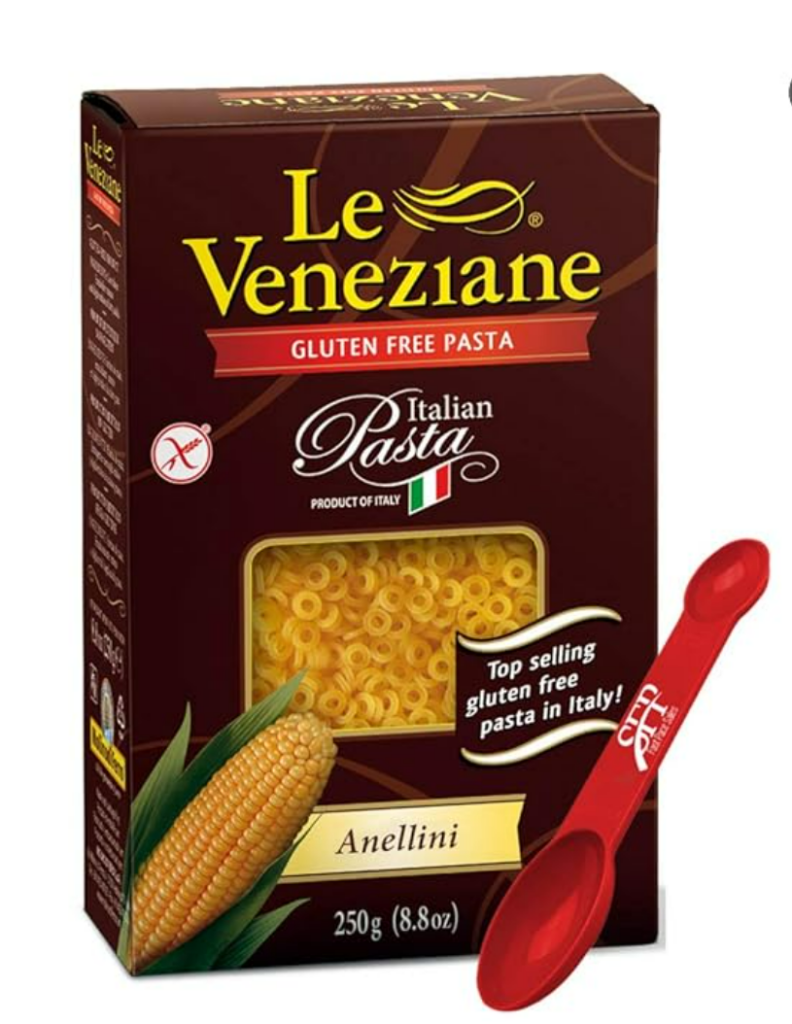
Gluten Free Ditalini
Another classic shape from Le Veneziane, this gluten free ditalini is perfect for making Pasta e Fagioli.
Gluten Free Acini di Pepe
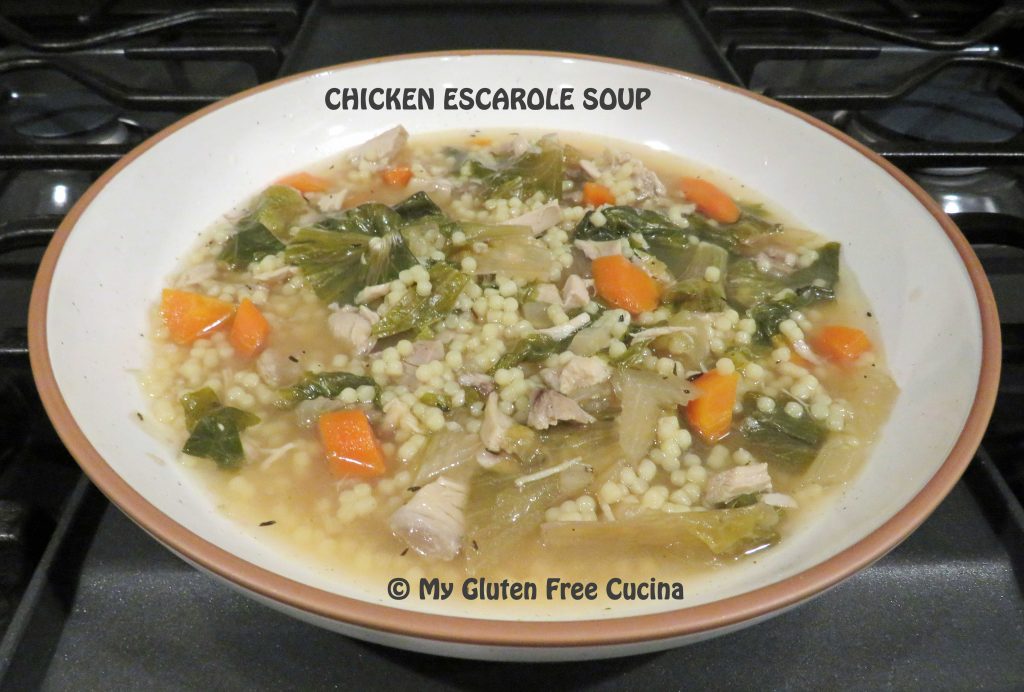
I was especially thrilled to find this one, as it was the pasta my mother used in her Chicken Escarole Soup, a holiday tradition!
Gluten Free Stelline (Little Stars)
Who remembers Chicken and Stars? Recreate this childhood favorite with gluten free stars from Jovial, one of my favorite pasta brands!

Wide rice noodles
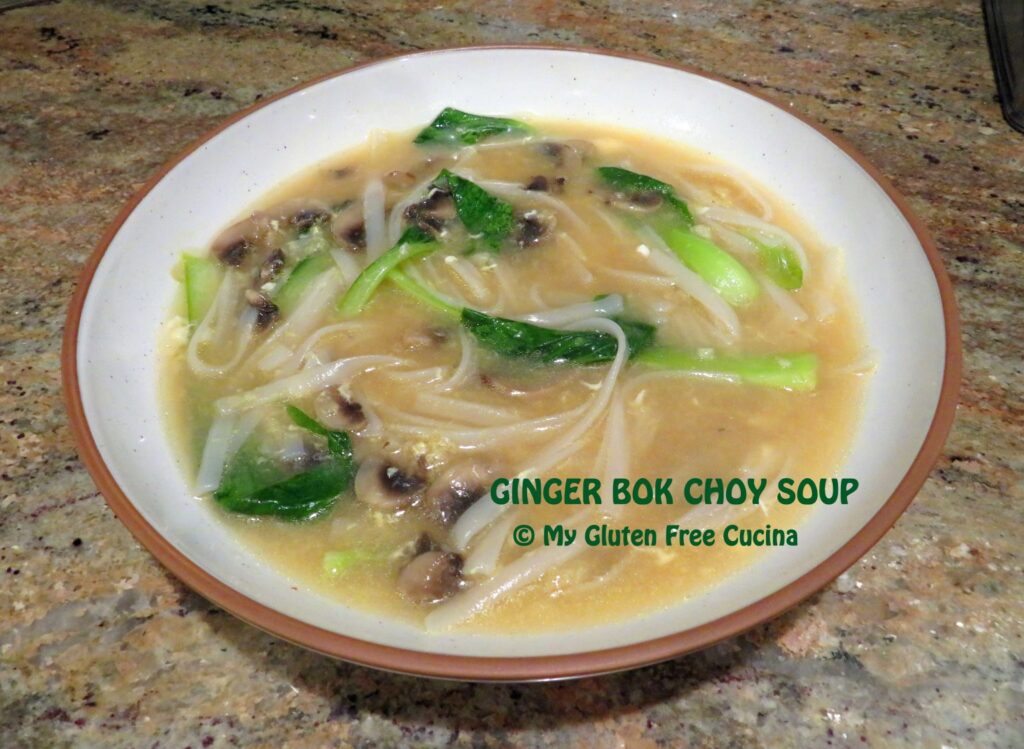
These Wide Rice Noodles from Taste of Thai are perfect in my Ginger Bok Choy Egg Drop Soup!
GLUTEN FREE CAVATELLI
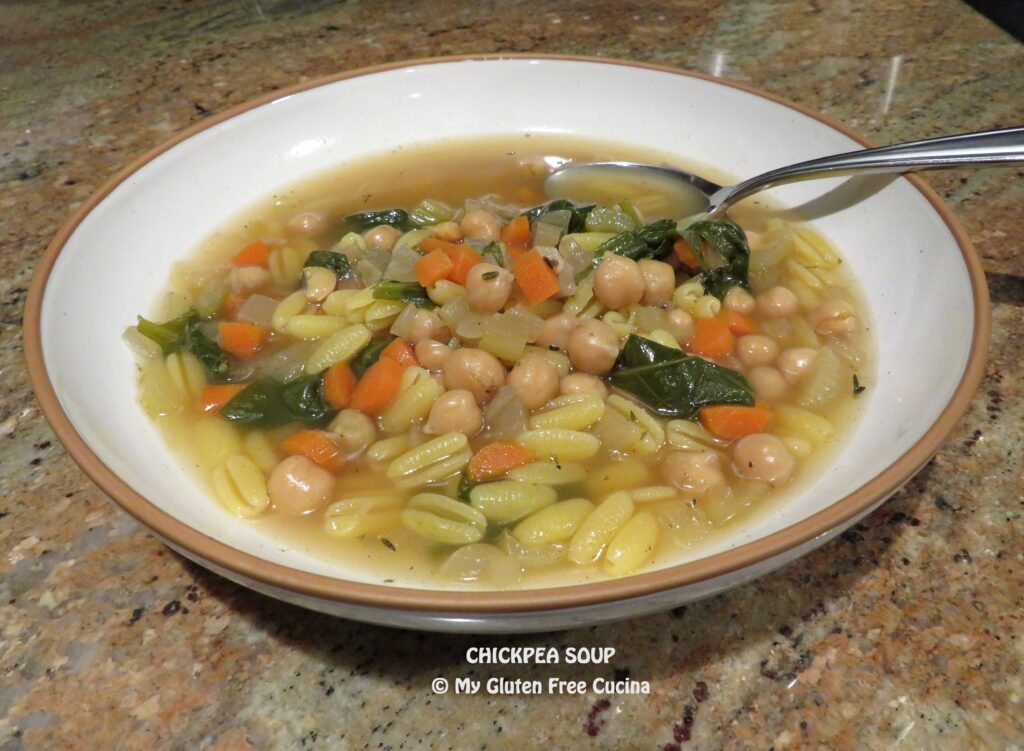
Like something a little larger in your soup? Try this Gluten Free Cavatelli from Farabella. I used it in this “made from the pantry” Chickpea Soup.
BABY MAFALDA
I used this Gluten Free Baby Mafalda in my Beef Stroganoff recipe. I’ll bet it would be great in a soup as well.

CHICKPEA Rice
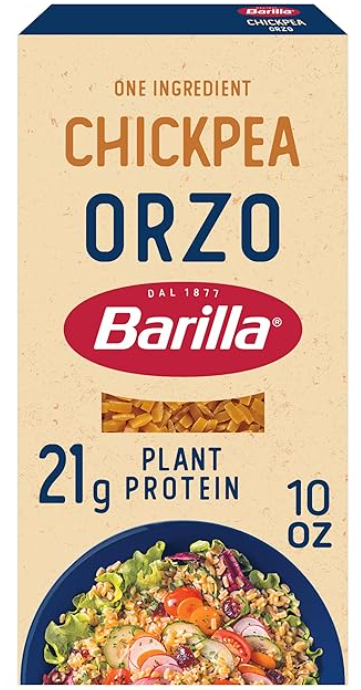
If you like chickpea pasta, try the chickpea orzo from Barilla. It’s high in protein, vegan and gluten free. Stir gently as it tends to break apart in soup.
A couple more…
NEW! These Mini Rotelle millet pasta from Big Green Organic Food would be fun in soup.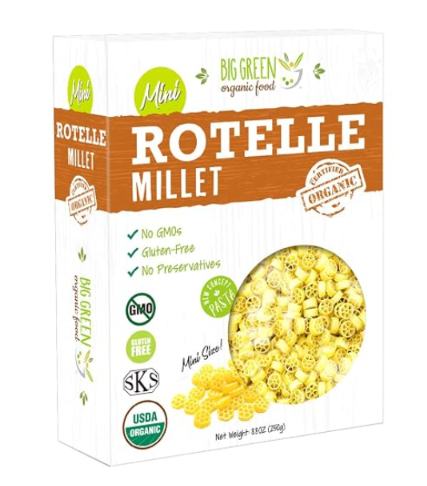
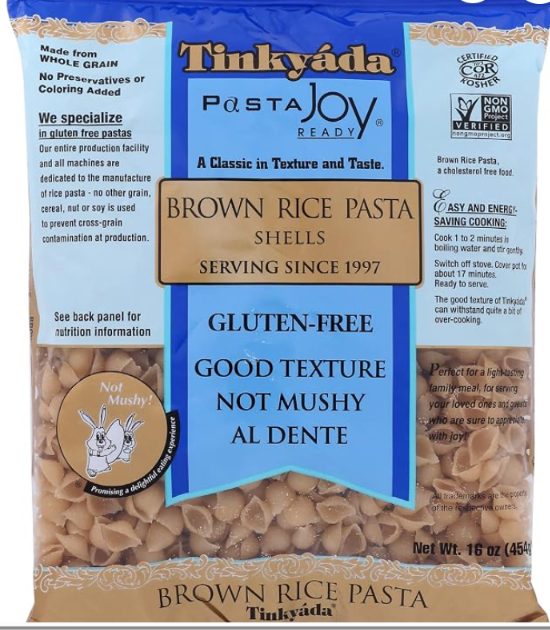
And finally, an old standby, these Brown Rice Pasta Shells from Tinkyada would go with just about any soup!
I hope you found this post helpful. What other gluten free soup pasta have you found? Have you made your own? Tell me in the comments!
Notes ♪♫ Some gluten free pastas, especially those made with corn flour will release a huge amount of starch into the water when cooked, and it can be a gummy mess. For that reason, I recommend that these pastas be cooked separately and rinsed before adding to your soup.


 Wet Ingredients:
 Other:
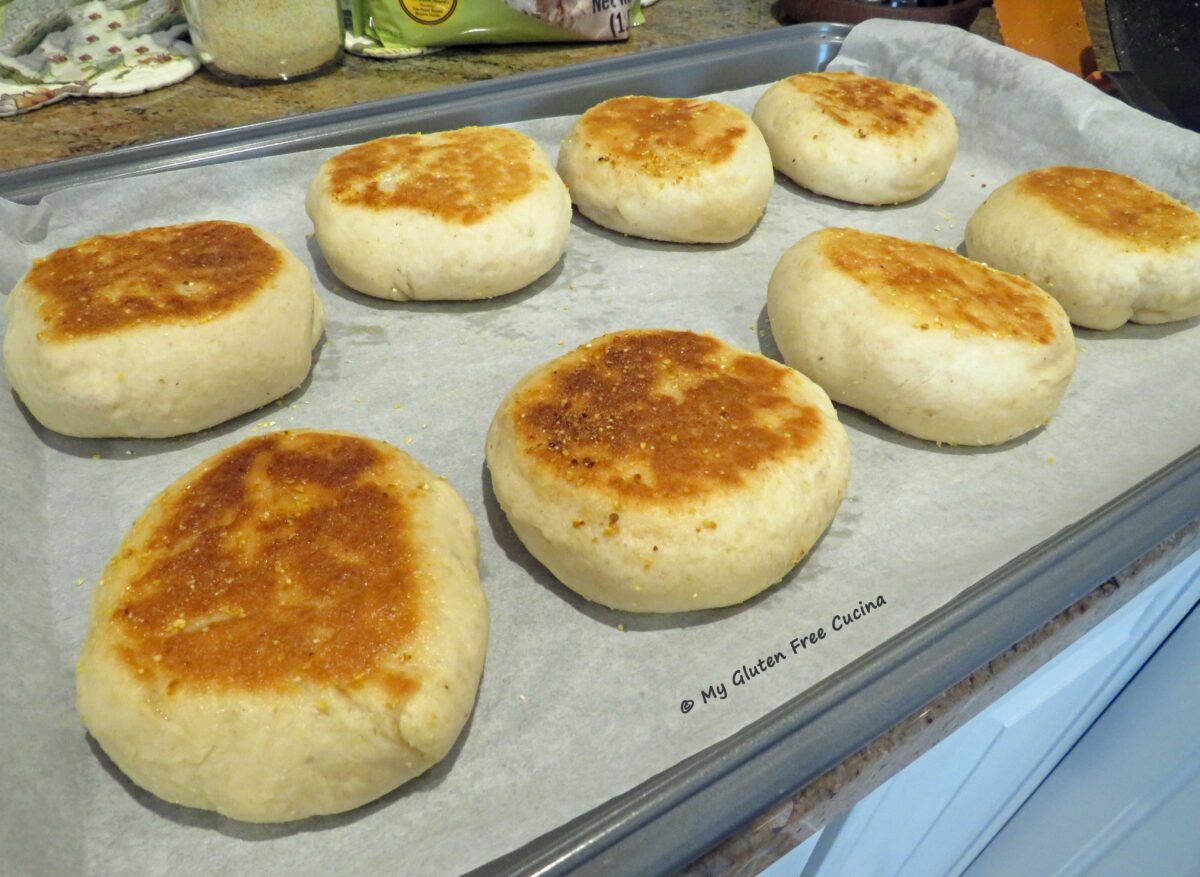
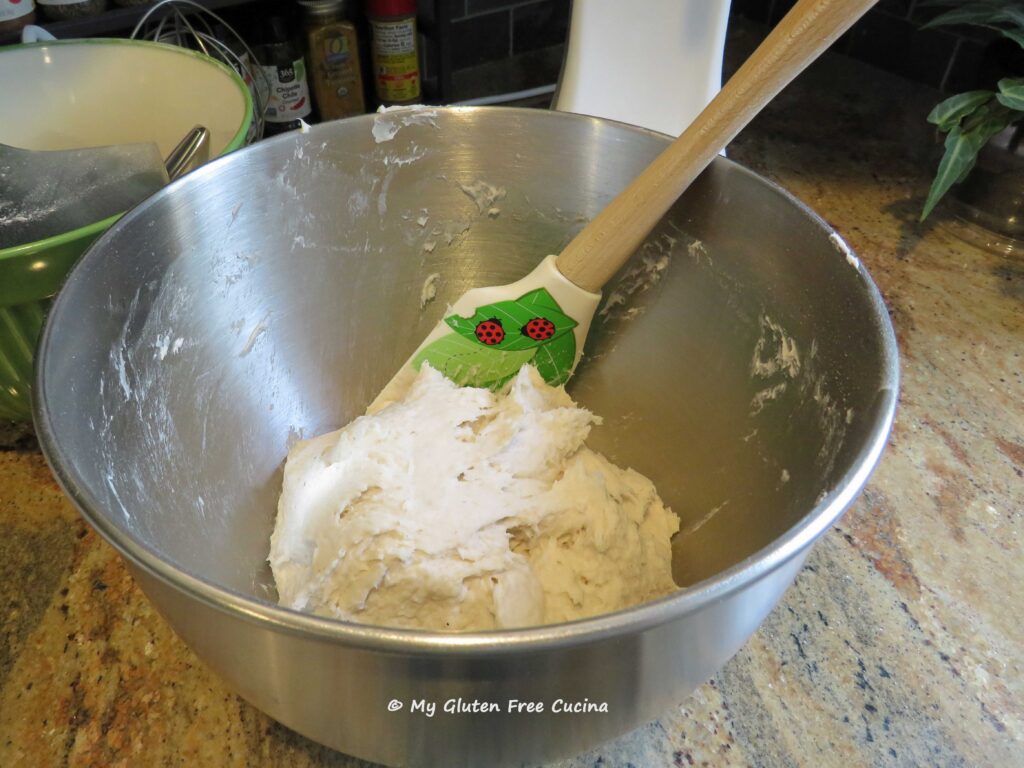 Line a large sheet pan with parchment and sprinkle with cornmeal. Turn the dough out onto a floured cutting board or work surface.
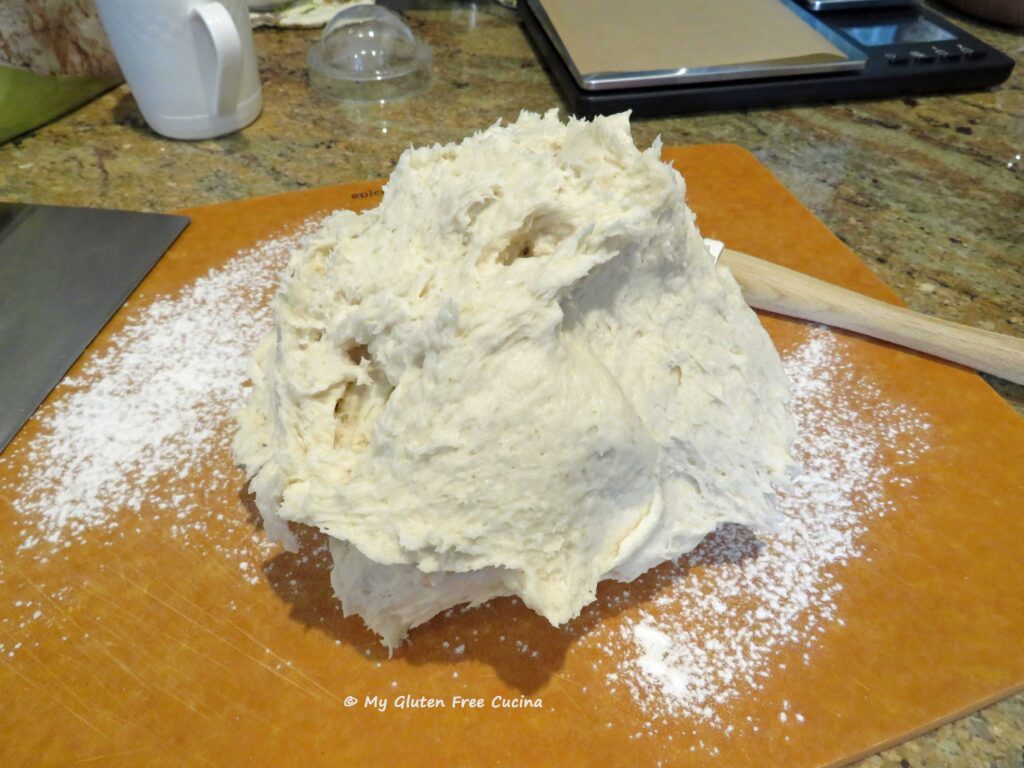 The total dough ball should weigh about 1000 g., to make 8 English Muffins weighing 125 g. each. If you are a perfectionist like me, you can weigh everything. Or eyeball it.
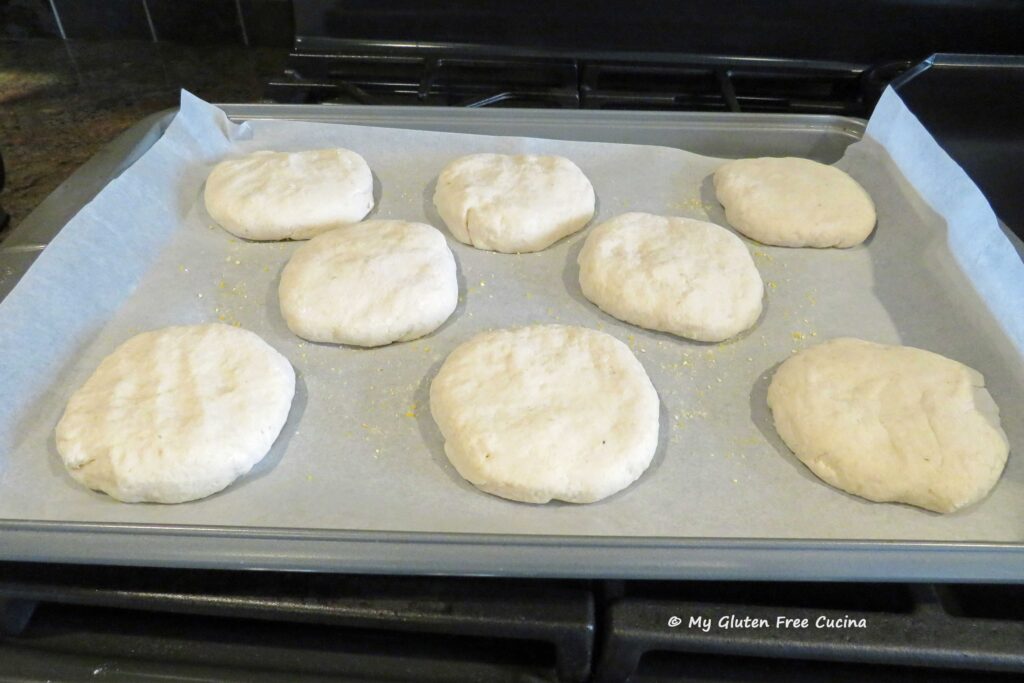 Cover with plastic wrap and proof for one hour at room temperature. They should be nice and puffed up like this.
 Next preheat a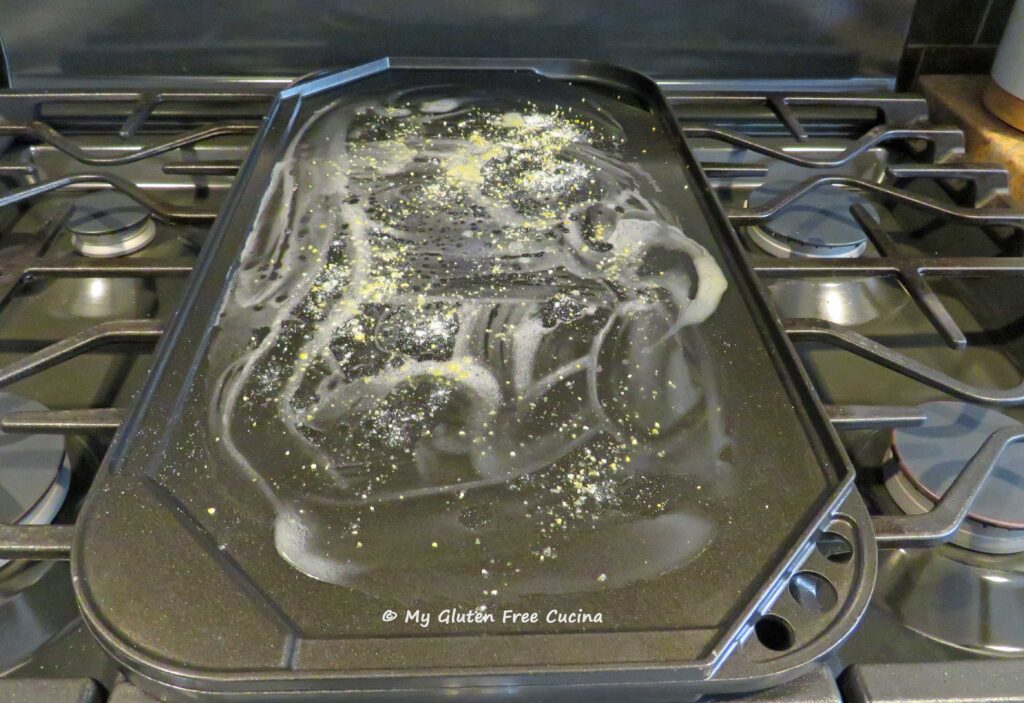
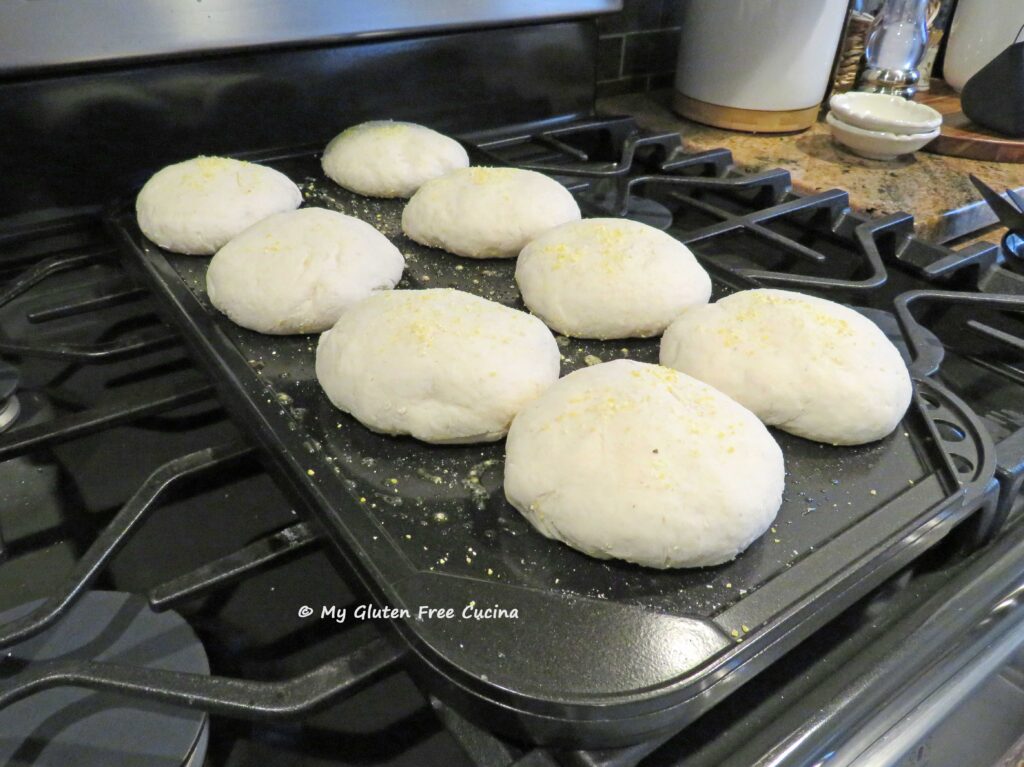 If you are using a griddle pan on your stovetop like this one, there may be hot spots, or the ends of the pan may not get enough heat. Rotate positions when you flip the English Muffins for even cooking.
 To finish, transfer the English Muffins back to the sheet pan and bake in the oven for another 6-7 minutes.
 Cool in the pan for 10 minutes then transfer to a rack. Be sure to let them cool completely before slicing, this takes a few hours.
 You can store them at room temperature for up to one day or wrap individually to freeze.
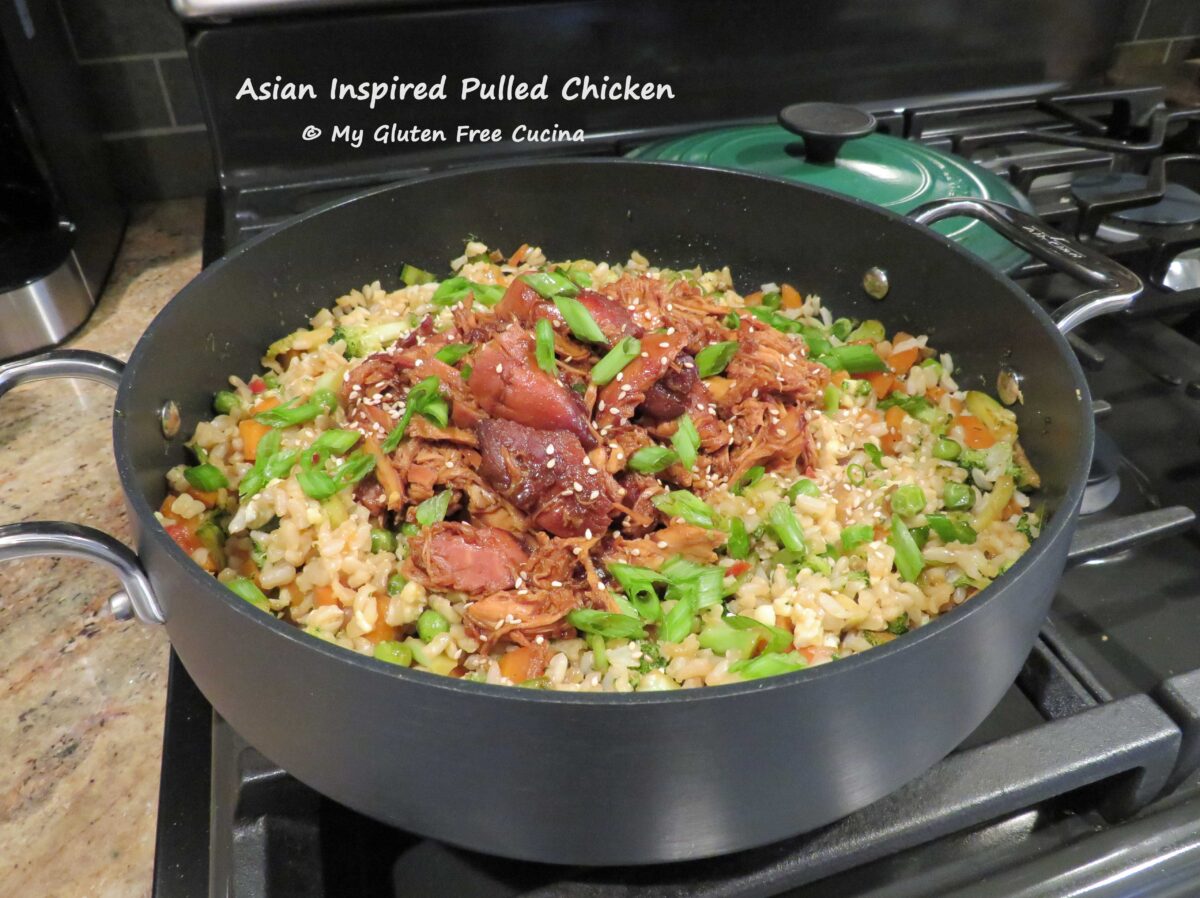
 ingredients:
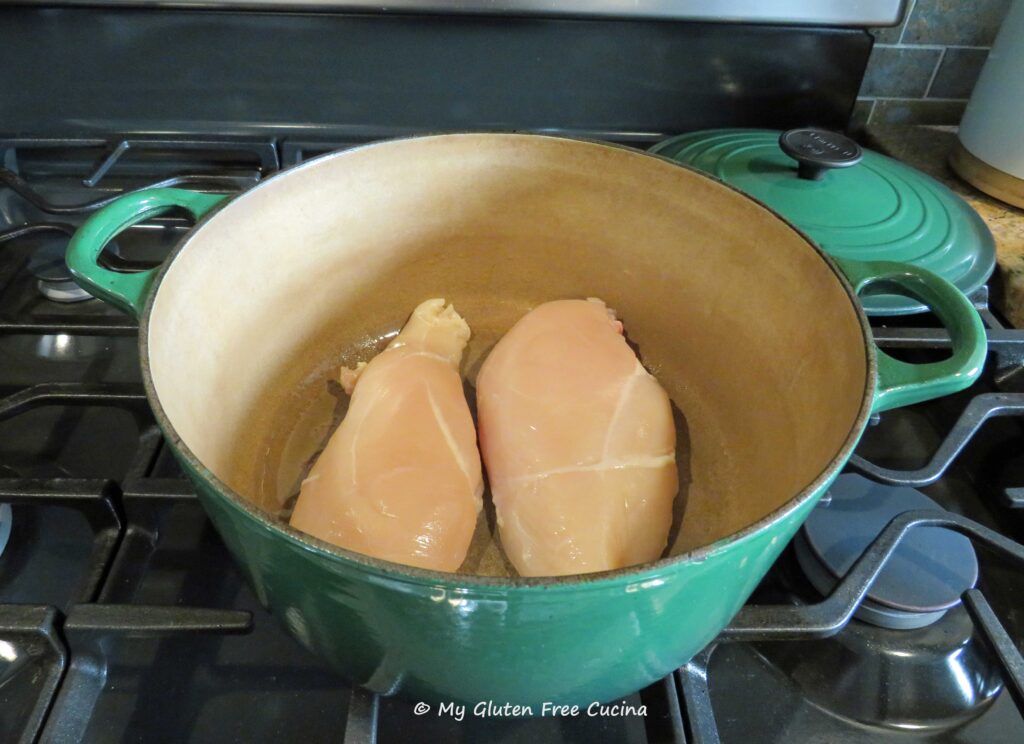 Whisk together the sauce ingredients, honey through powdered ginger.
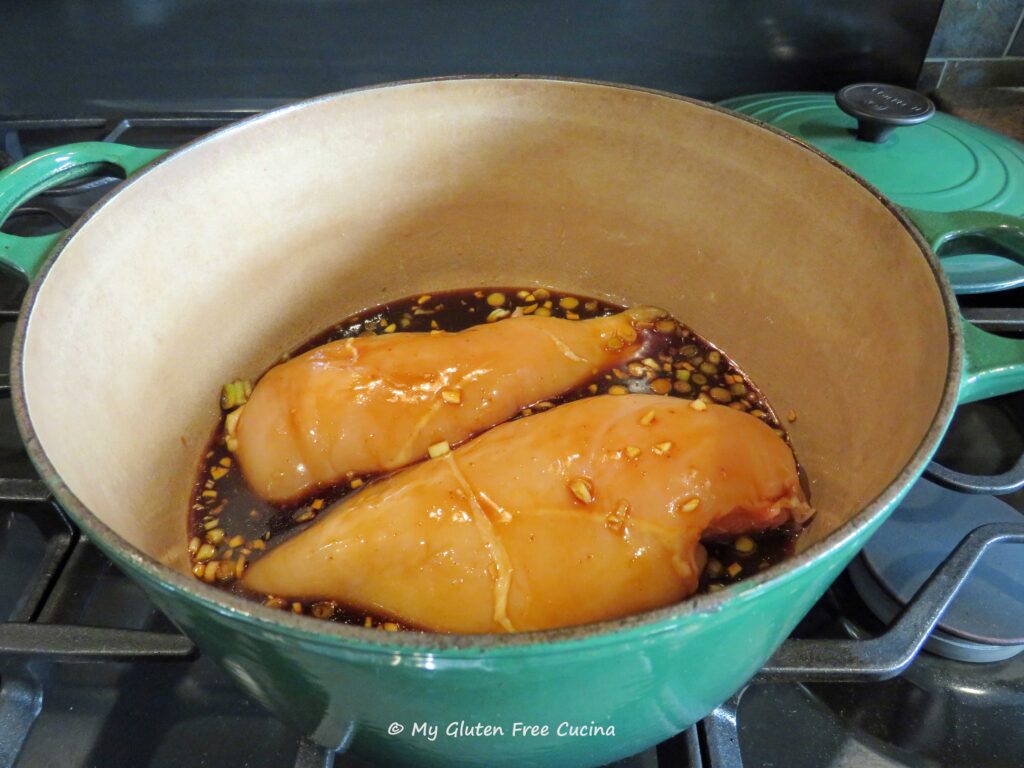
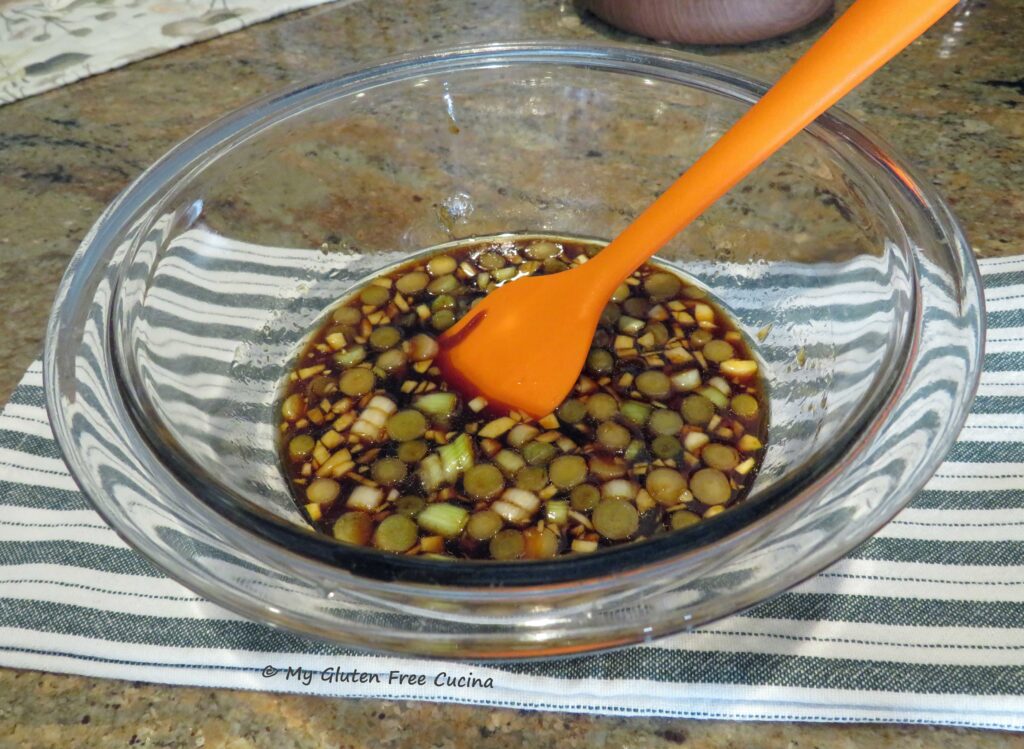 Pour it over the chicken, cover and bake for 2-½ hours, turning halfway through.
 While the chicken cooks, make the fried rice. I have a Basic Fried Rice recipe
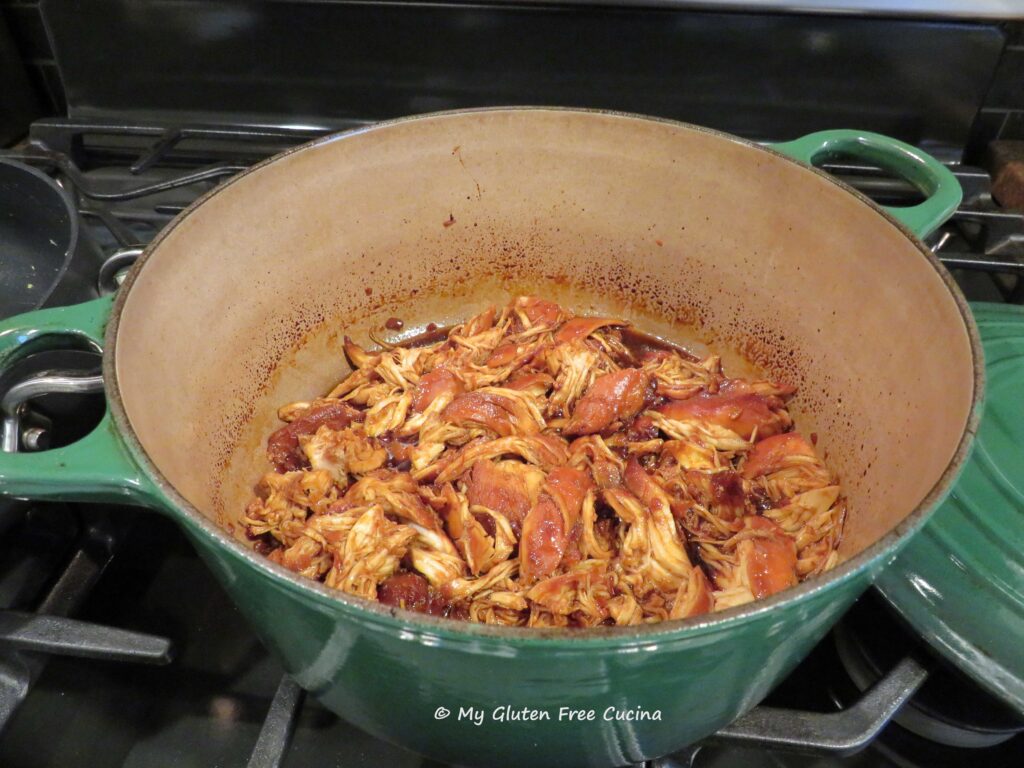
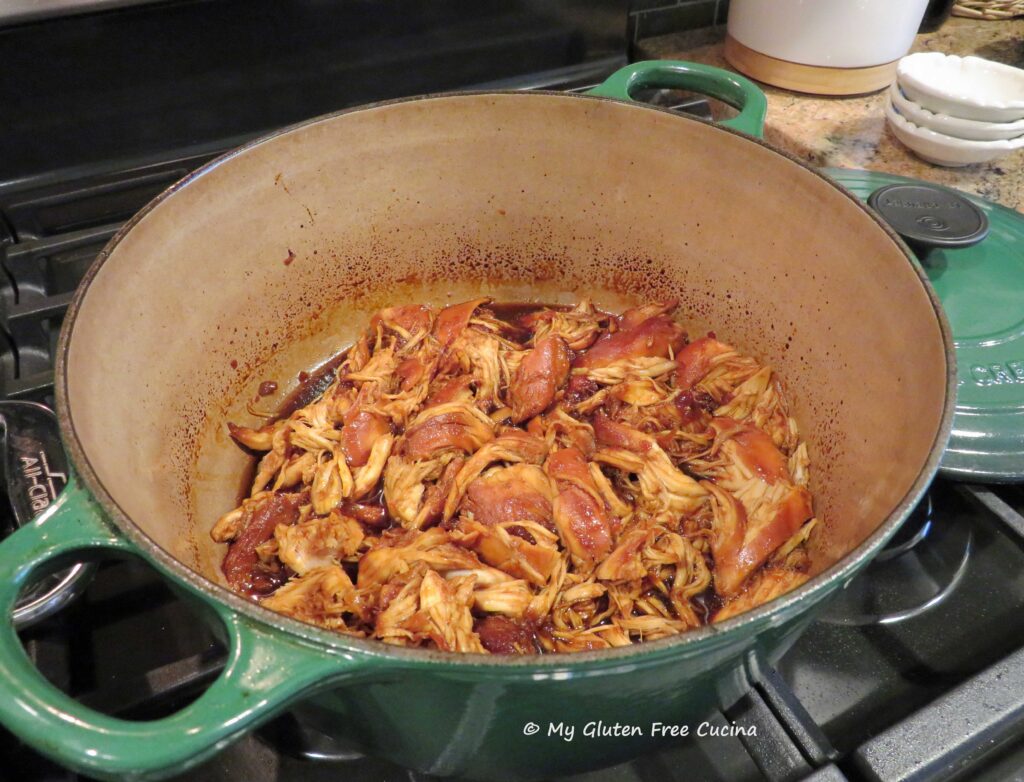
 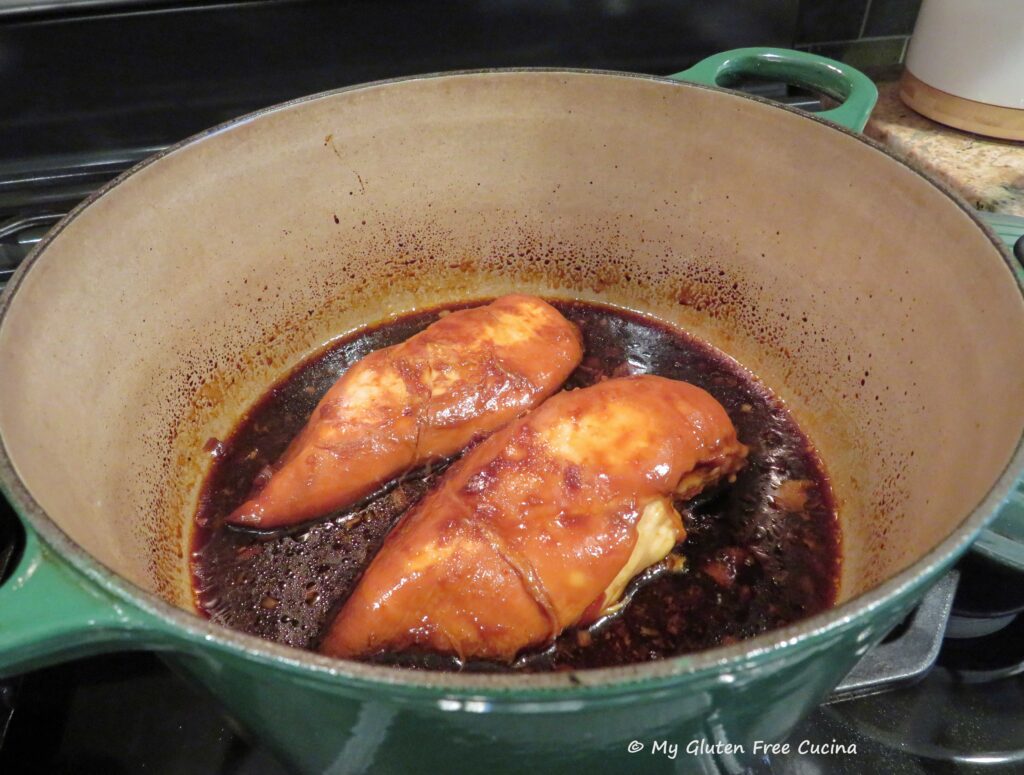 After 2-½ hours the chicken should be cooked through and very tender. Remove to a cutting board and shred it with 2 forks.
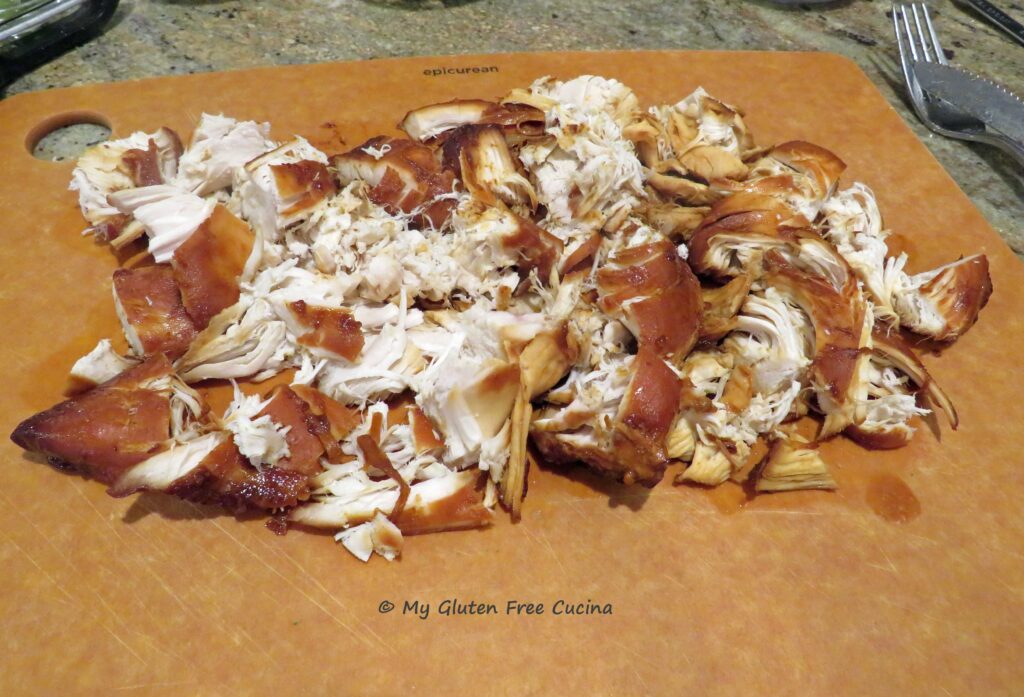 Return the chicken to the pot and stir well to coat with the remaining sauce. Keep warm while you finish the rice.
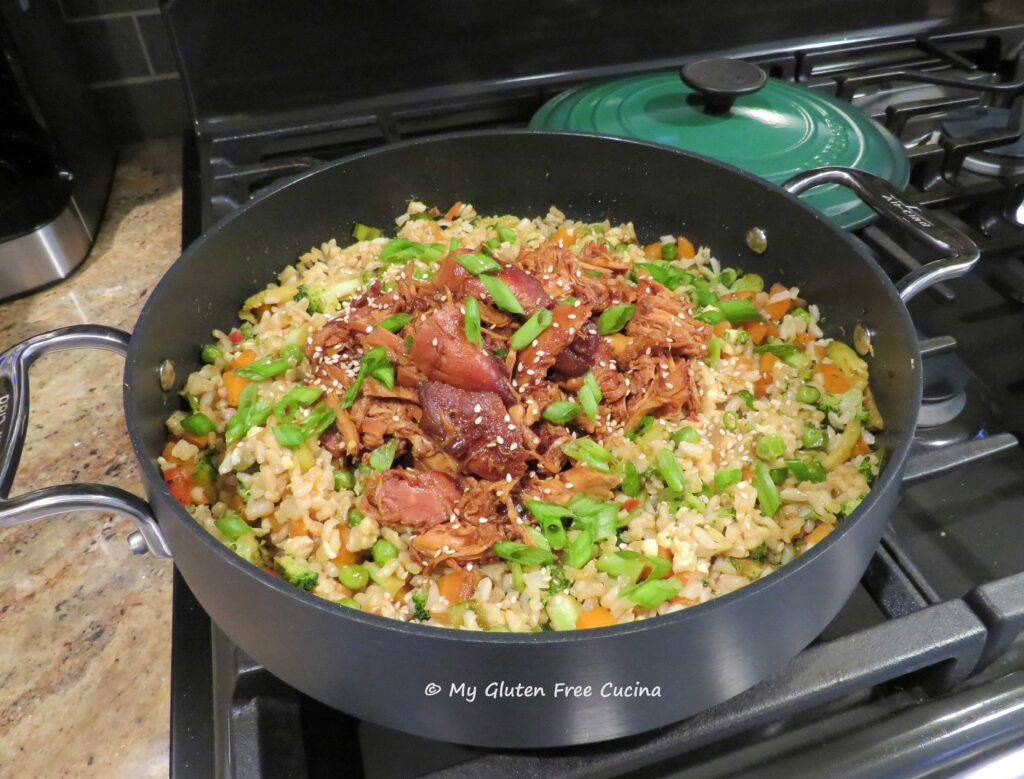
 Spoon the chicken over the rice and garnish with the scallion greens and toasted sesame seeds.
 Notes: ♪♫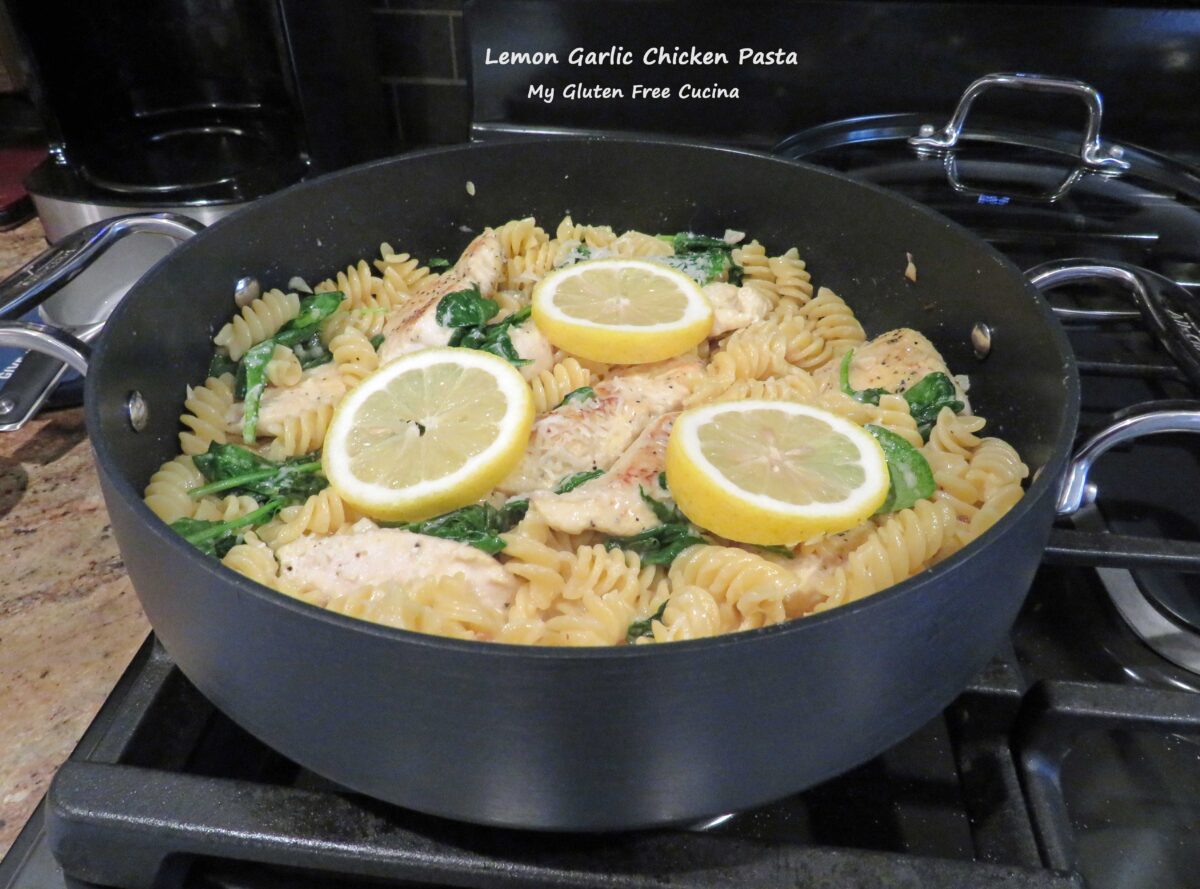
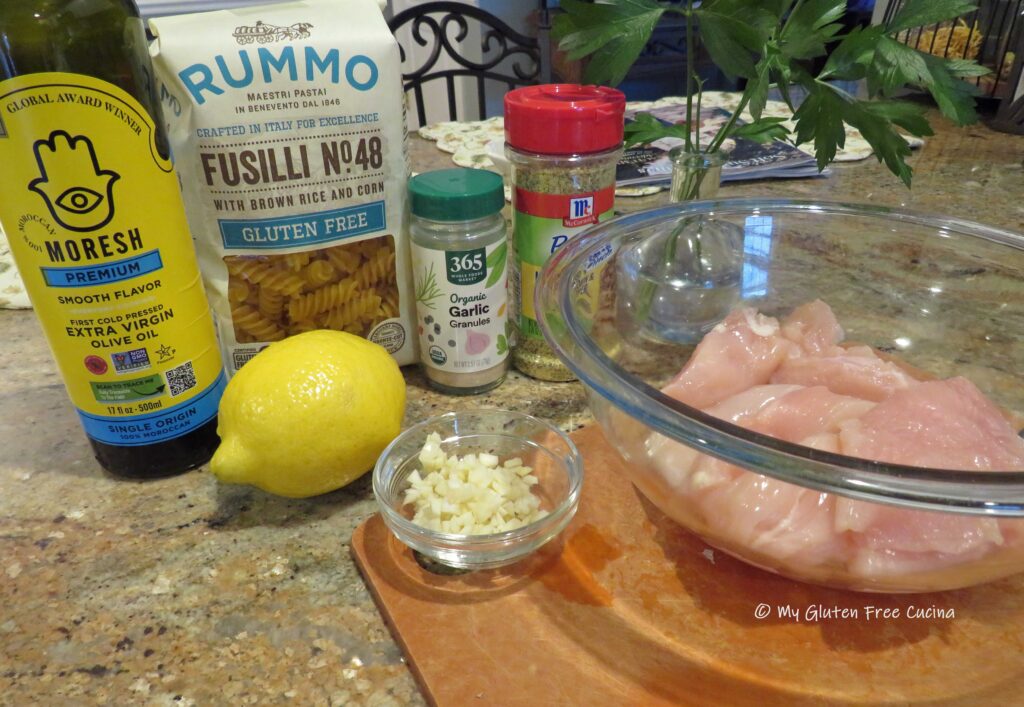 Preparation:
 Cook the pasta for 2 minutes less than package directions. Drain and set aside.
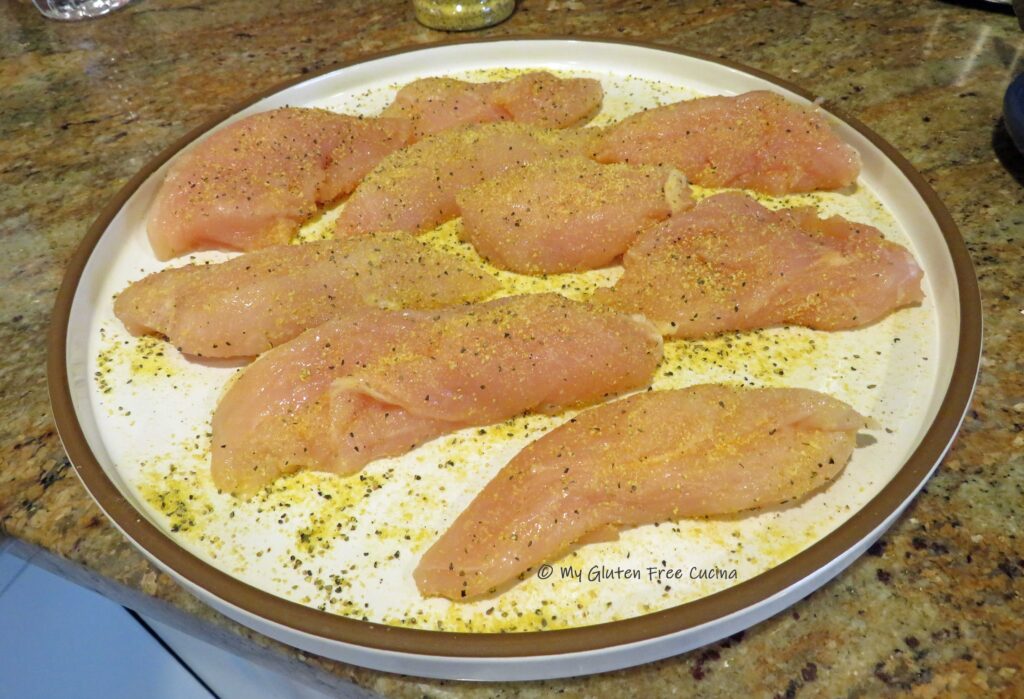
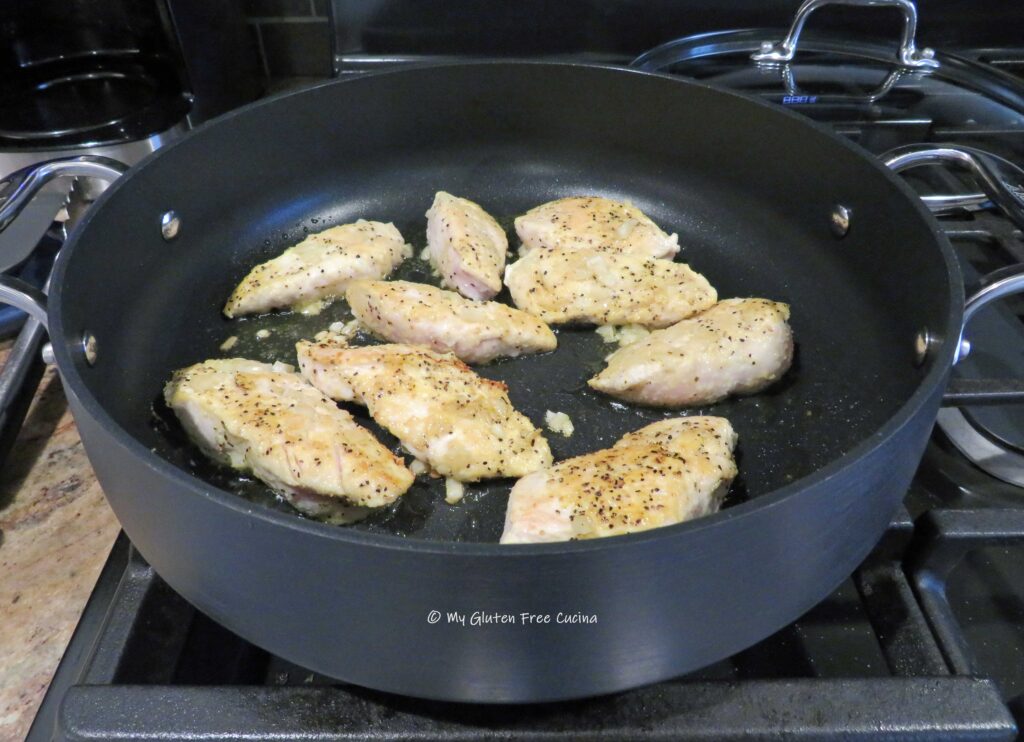
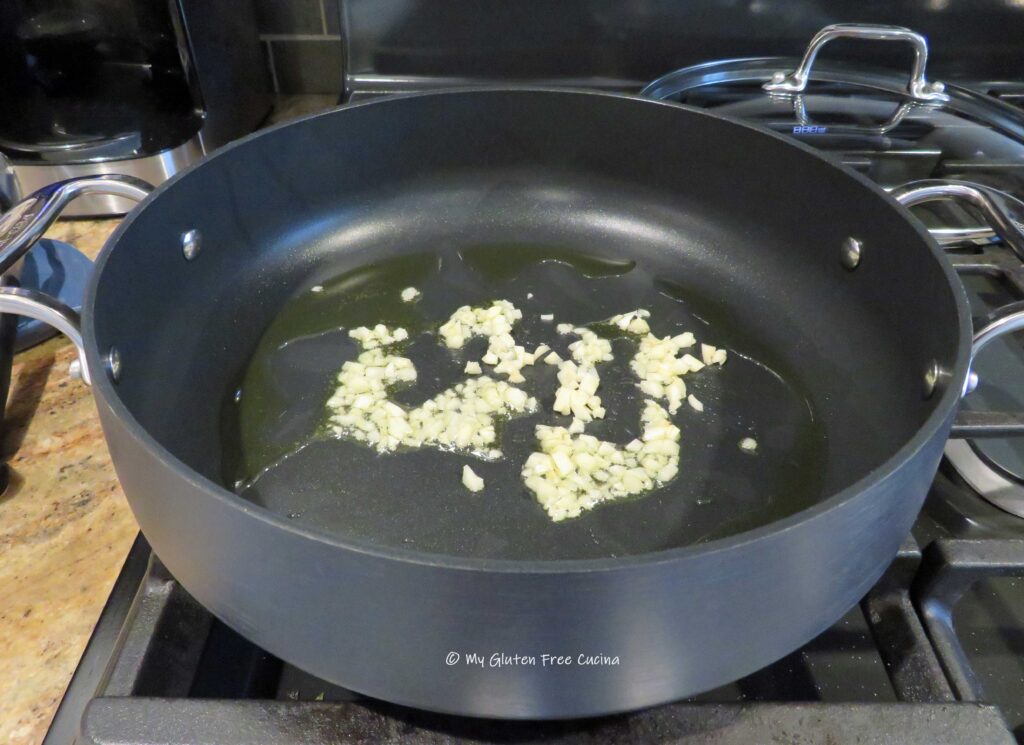 Add the chicken medallions and cook 3 minutes per side. The chicken does not have to be cooked through at this point- it will finish cooking in the sauce. Transfer to a bowl and keep warm.
 In the same pan, add the broth, lemon juice, and cream. Bring to a simmer then add in the cooked pasta and chicken.
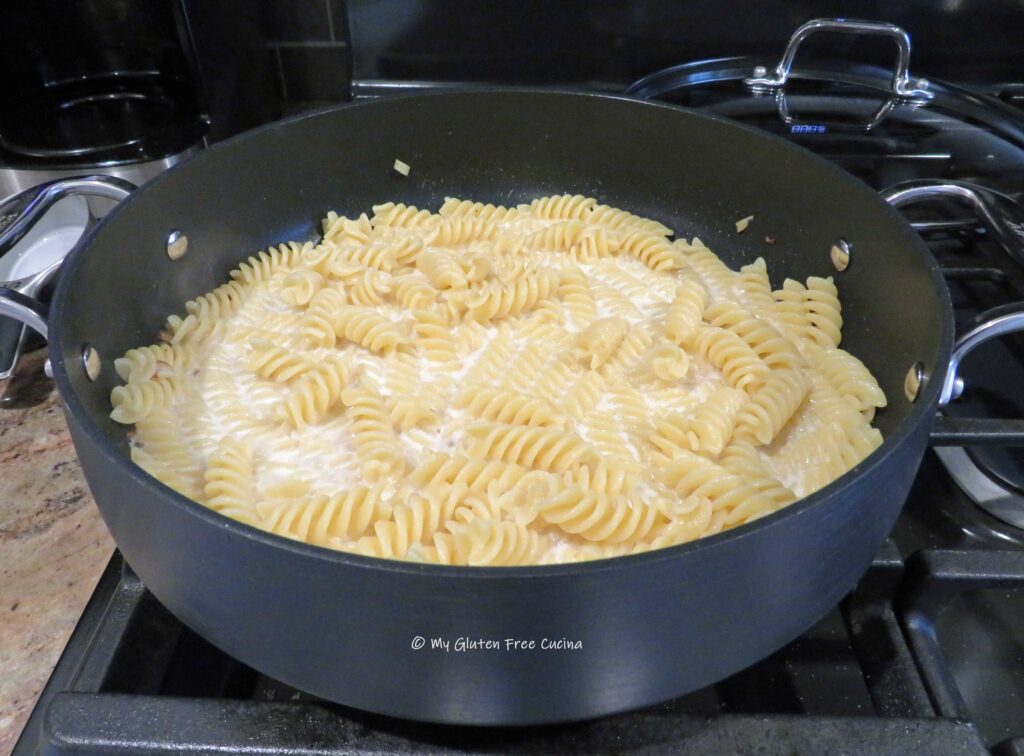 Simmer for several more minutes, for the chicken and pasta to finish cooking.
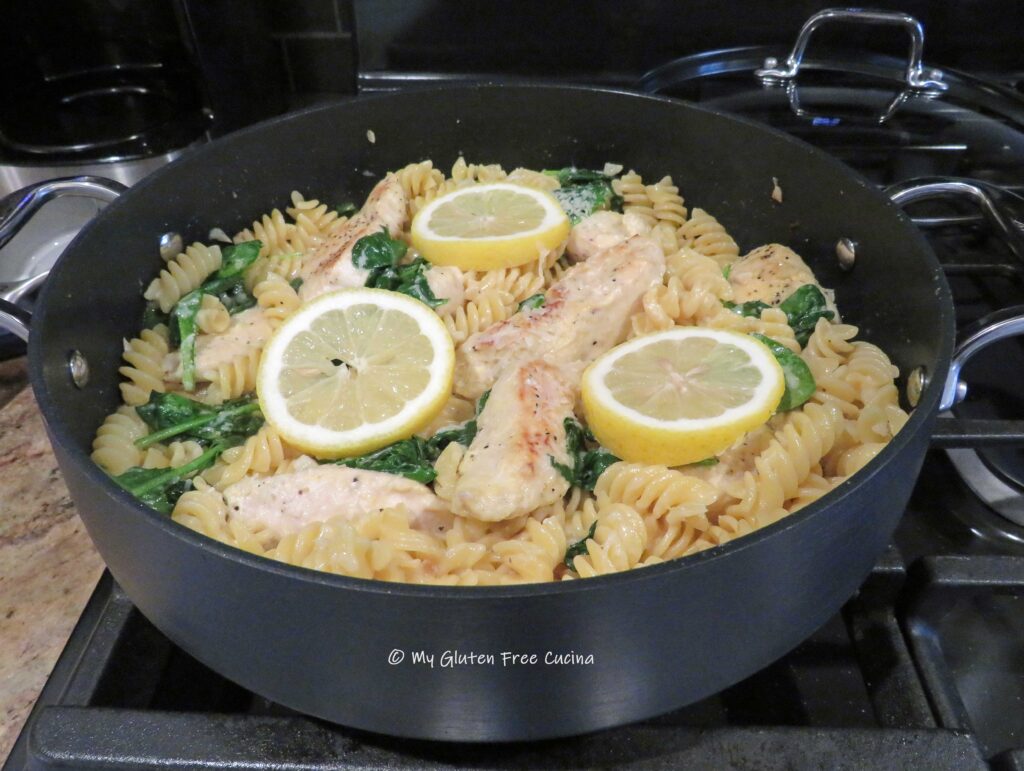
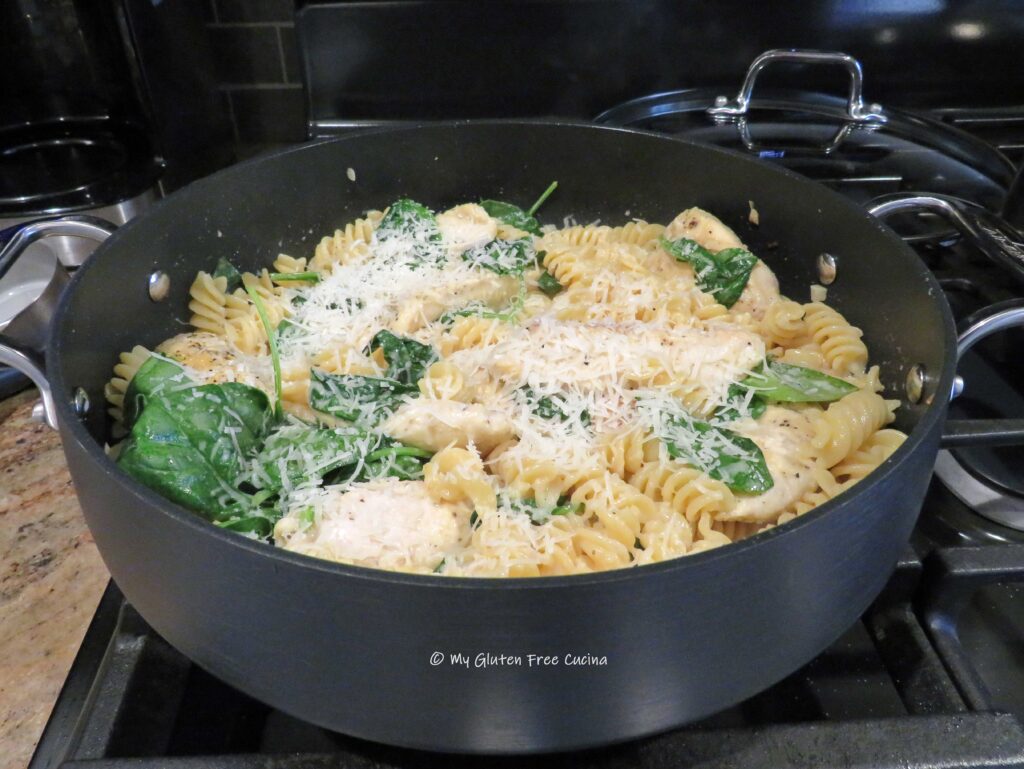 Toss well and garnish with lemon slices. Serve it right in the pan for a casual meal or transfer to a pretty serving dish.
 Notes ♪♫







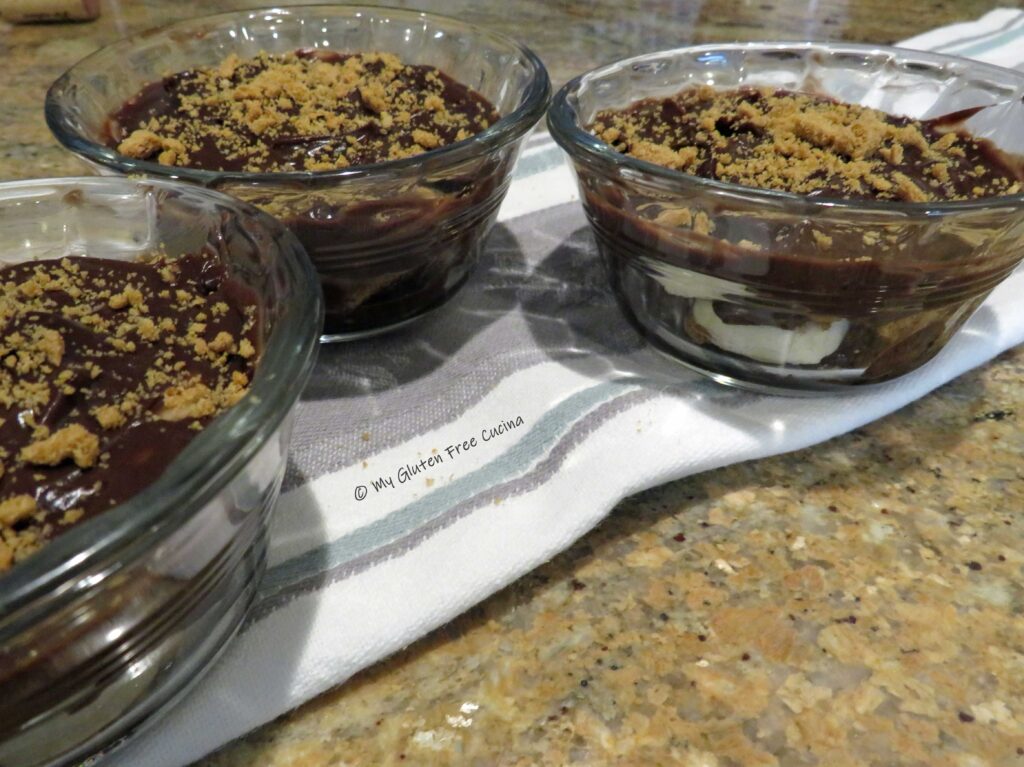 A layer of graham crackers, topped with thin slices of banana and a layer of chocolate pudding. The layering repeated to fill an 11 x 17″ Pyrex dish. After the final layer of pudding, she crumbled a few Graham crackers over the top to finish it off. Then into the refrigerator it went to chill for dinner. No baking!
 This post contains affiliate links.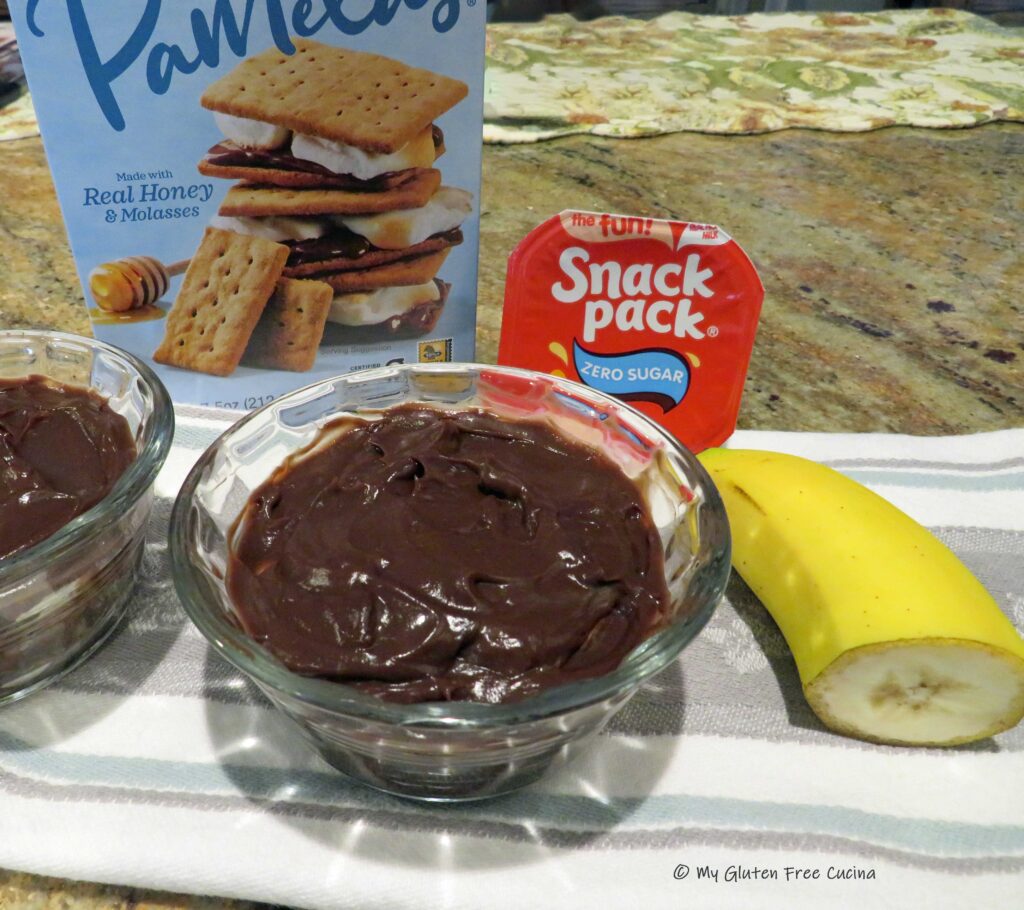
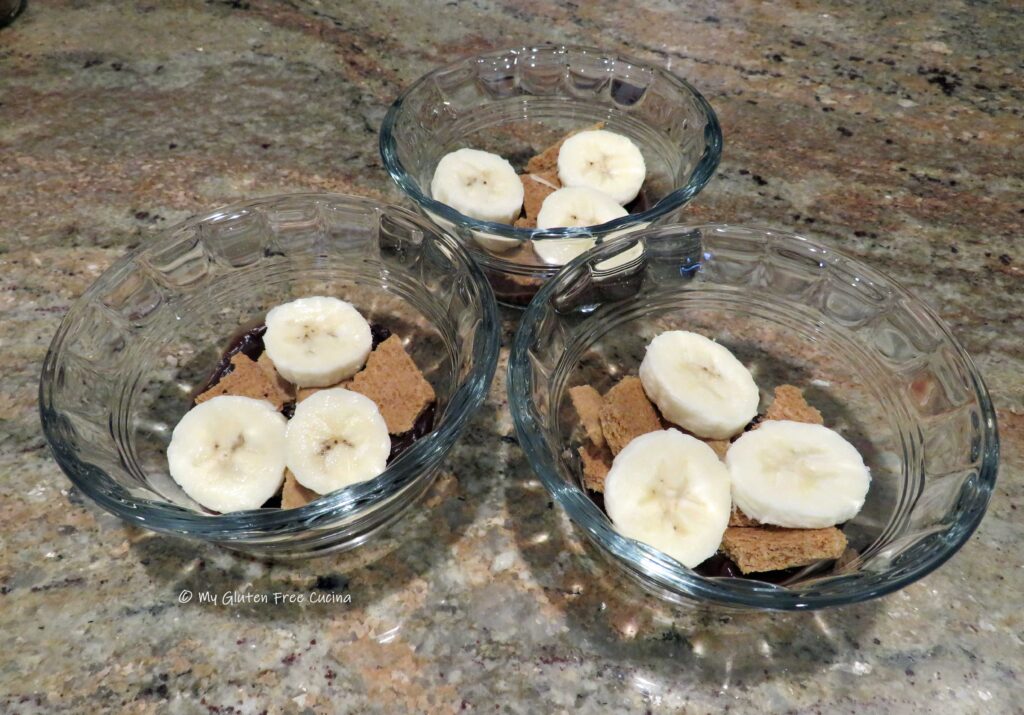 Repeat the layers, ending with a layer of chocolate. Crumble a few cracker crumbs over the top. Chill for at least 8 hours or make it the day before so that the crackers have time to soften up.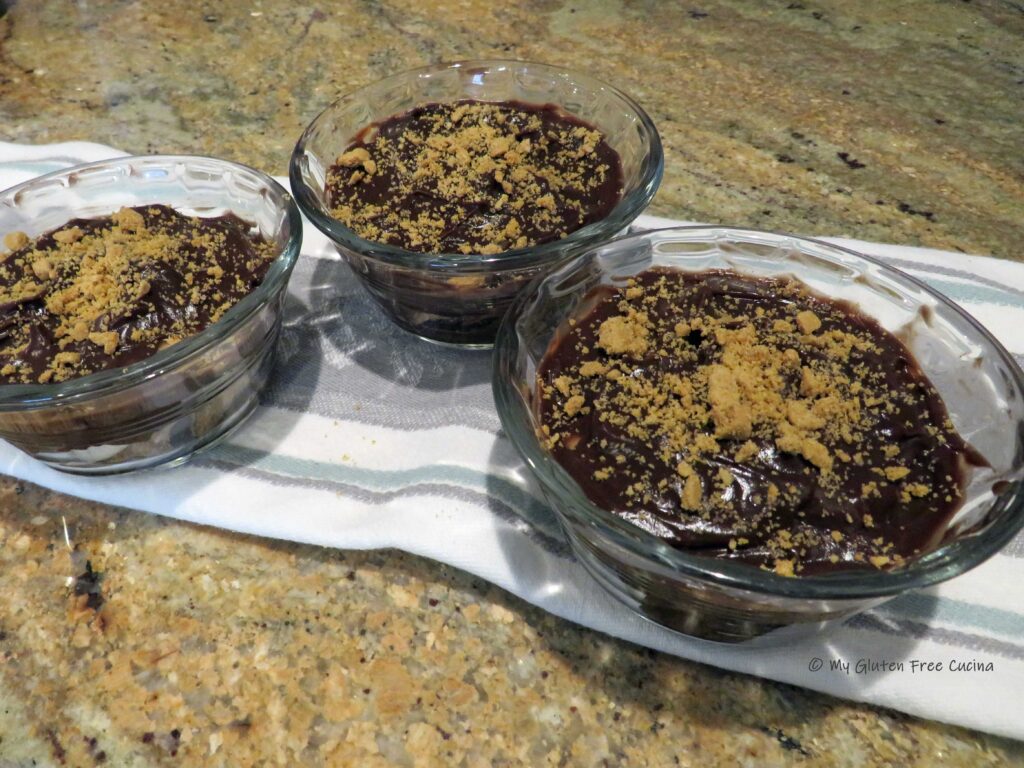

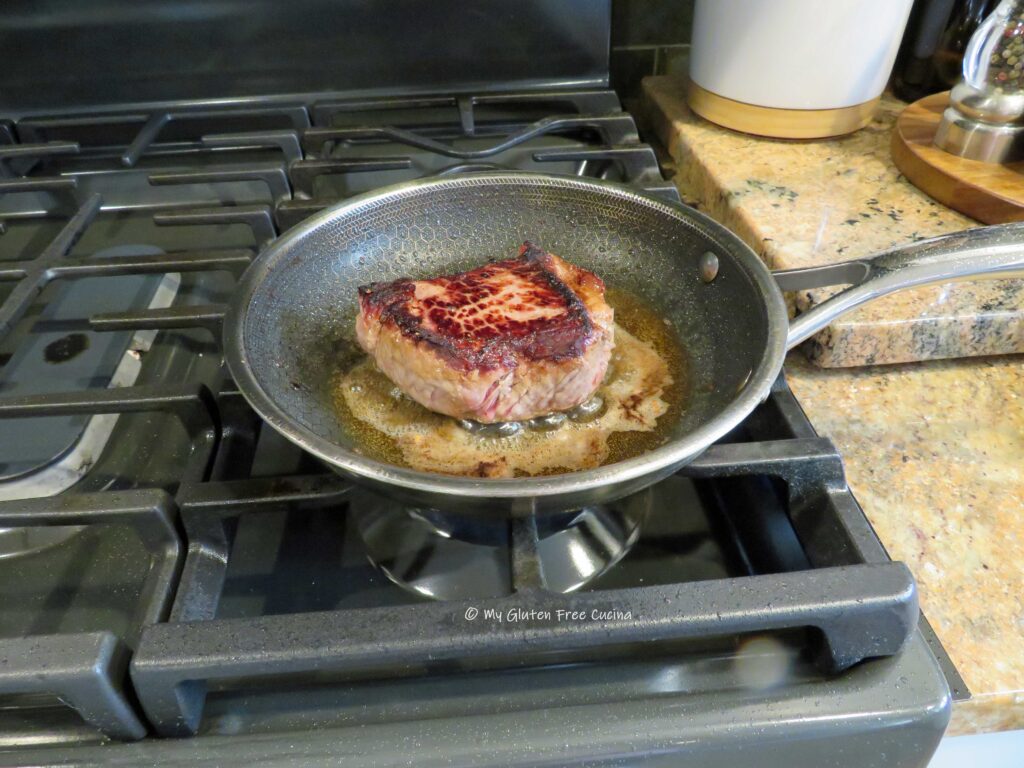
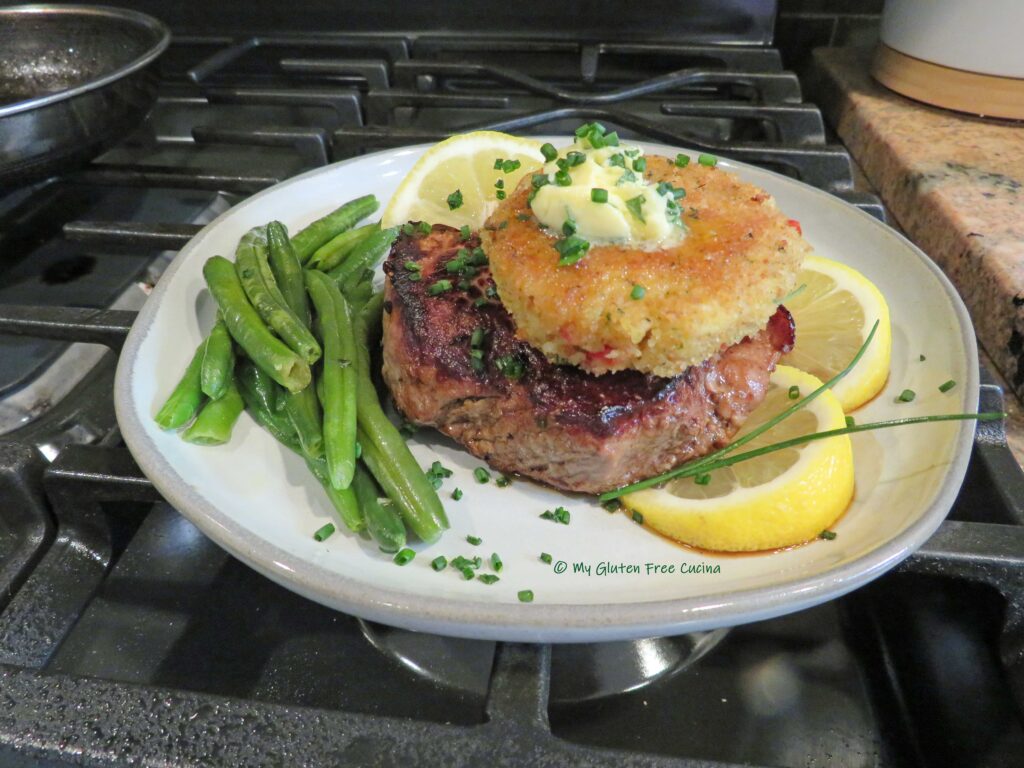 Full disclosure, this is not a filet mignon. It’s a thick cut petite top sirloin that I got on sale- a package of 2 steaks for $15.50, which was half the price of the beef tenderloin. No, it is not as tender as filet mignon but it’s a good little steak with plenty of flavor.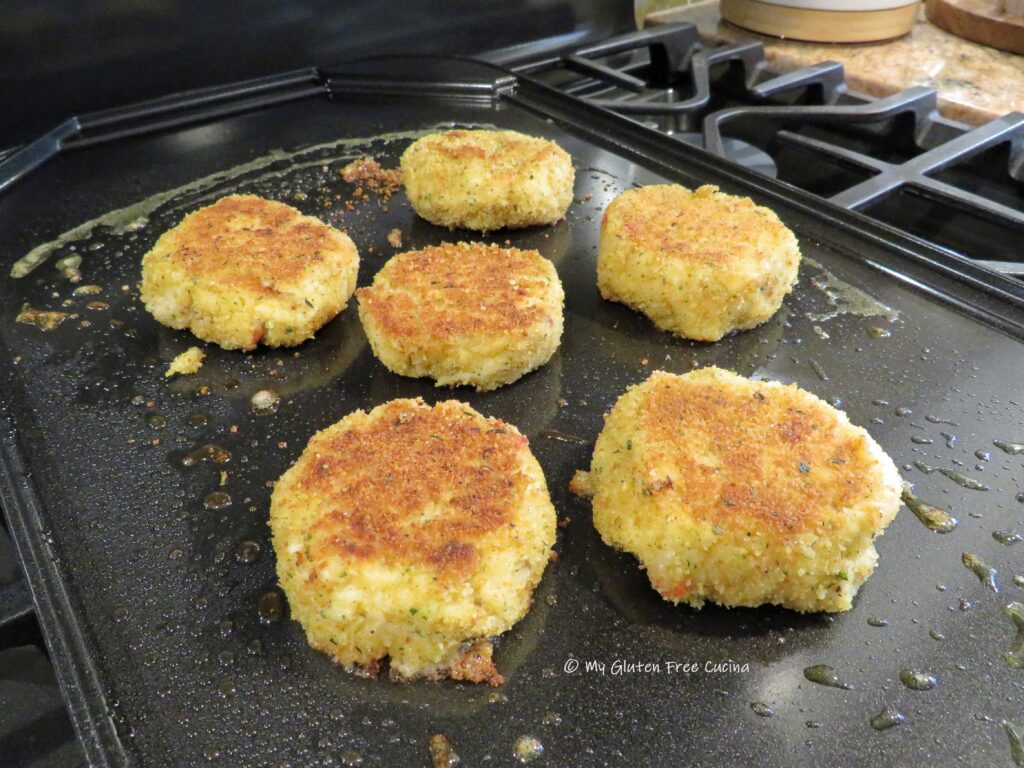

 To serve, top the steak with a crab cake. Garnish with chives, lemon wedges and the remaining 1 tbsp. compound butter.
 What a meal! Yes, I do eat like a queen despite my dietary restrictions. 👸🏻 I hope that when I show you recipes like this one you realize that a gluten free diet does not mean food has to be boring or tasteless. In fact, I’m a bigger foodie now than I have ever been. It just takes a bit of imagination and determination. Try the recipe, you will not be disappointed!

 Coat a large sauté pan or nonstick skillet with cooking spray over medium low heat. Scramble the egg, chop into small pieces and set aside.
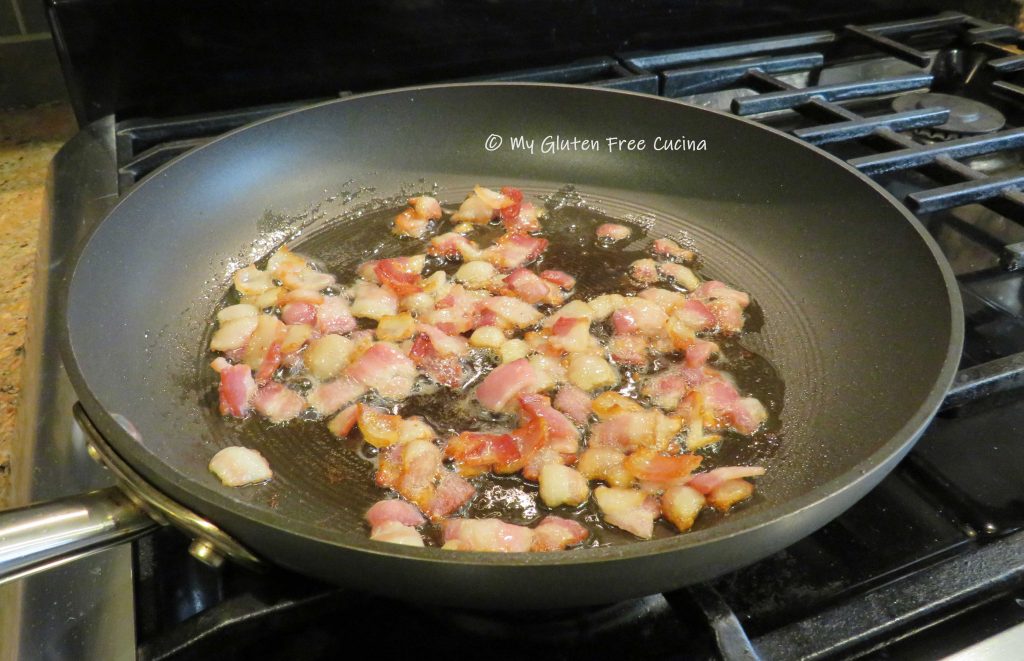
 Add 1 tbsp. olive oil and 1 tsp. sesame oil to the pan. Add the diced chicken and begin browning.
 Turn to finish cooking through.
 When the veggies are crisp tender add back the chicken. Pour in the chicken broth mixture, stirring and tossing to combine until the liquid thickens.
 Notes ♪♫


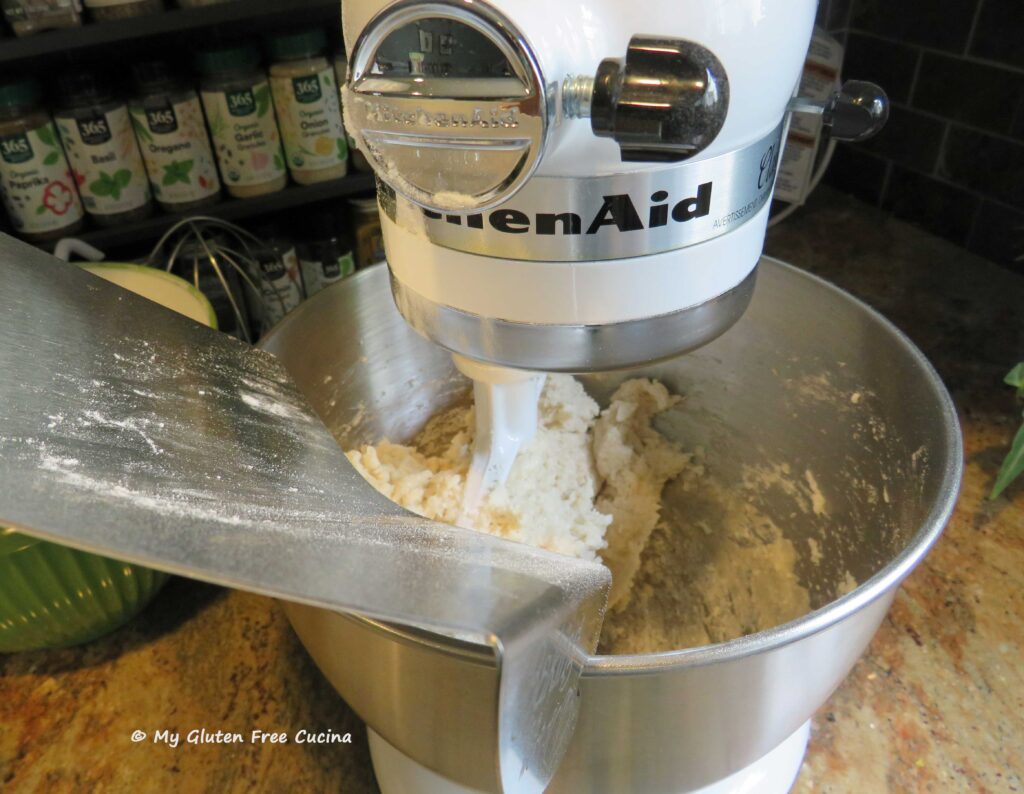
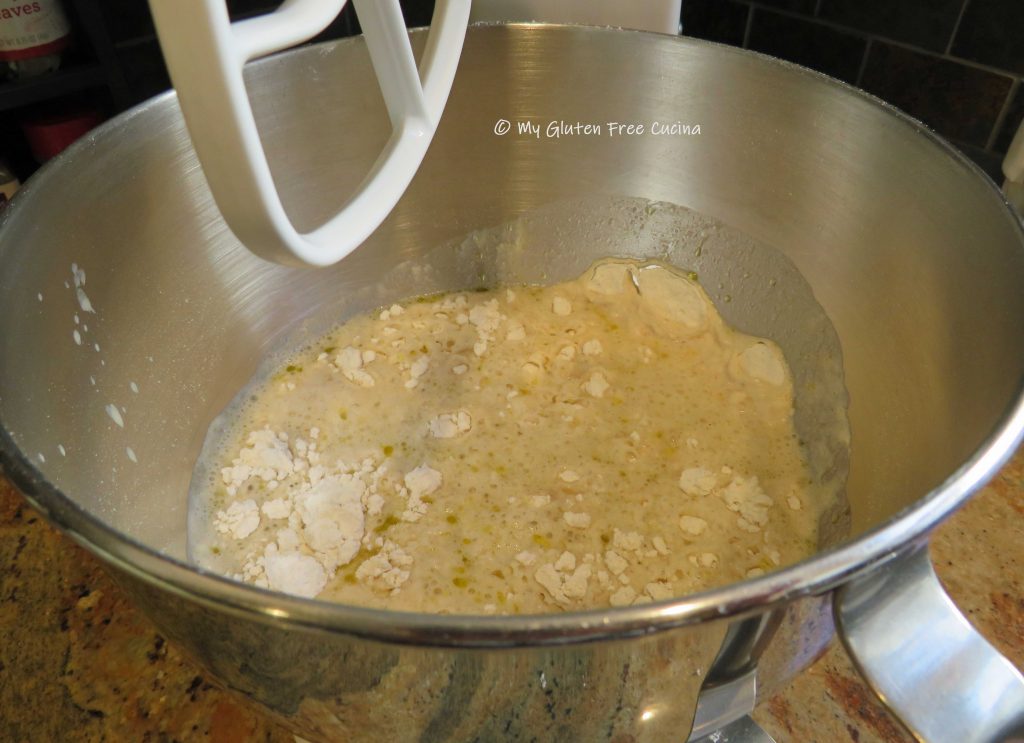
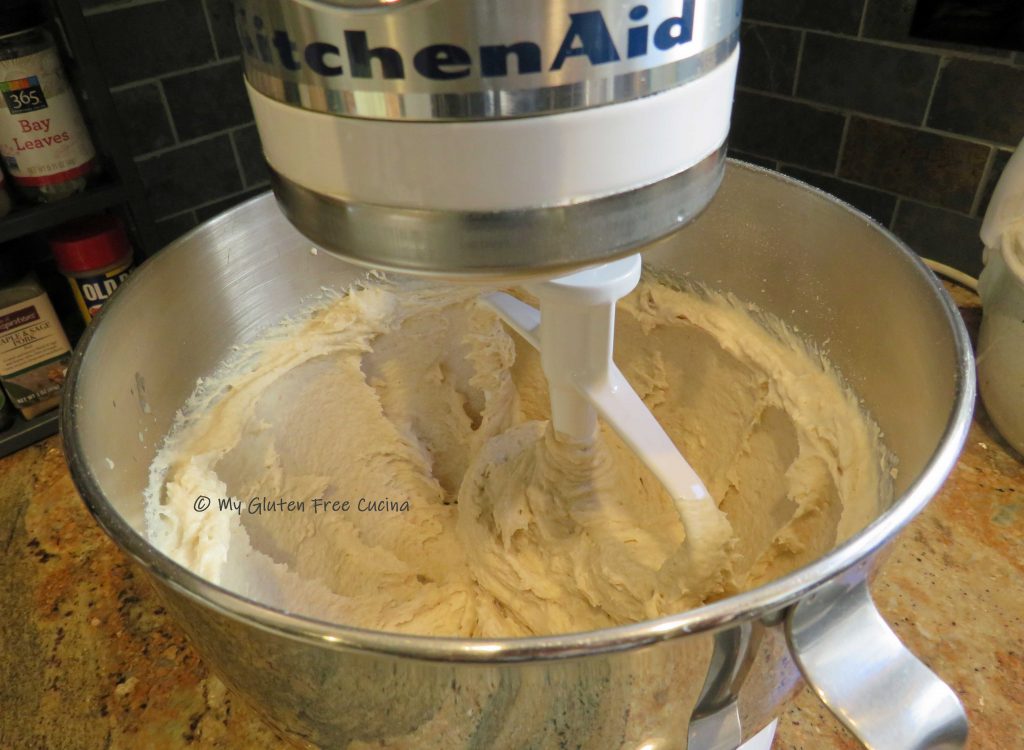
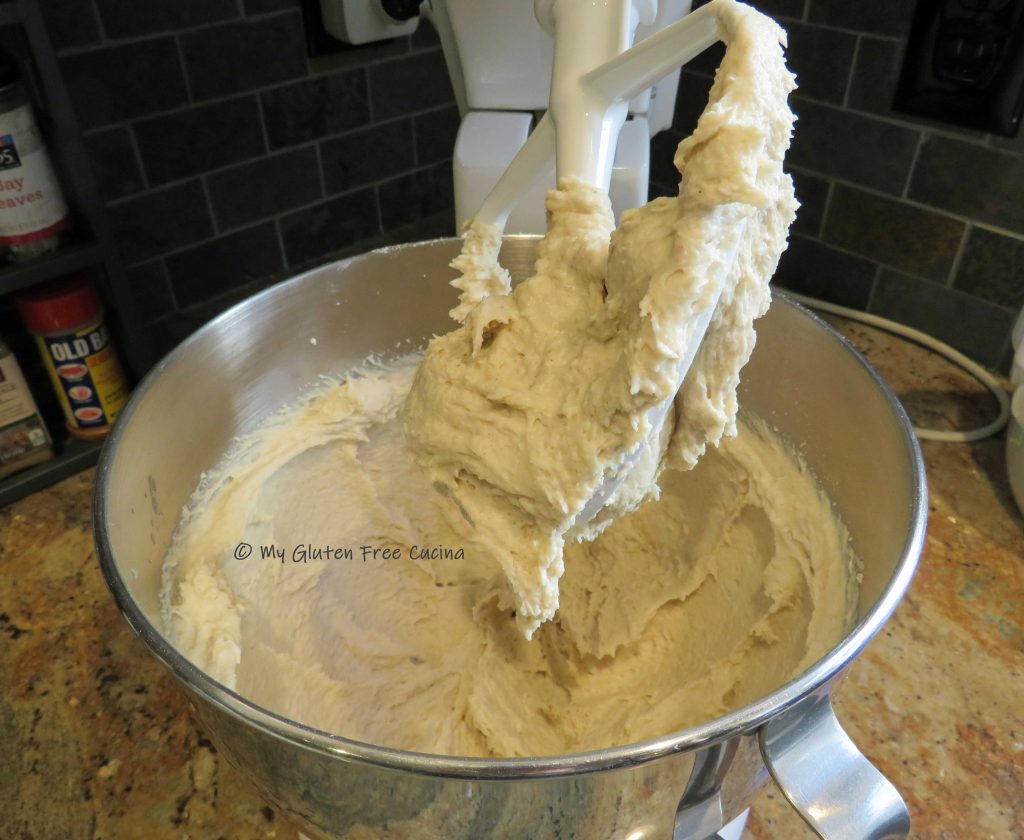
 With the mixer on low speed, combine the wet and dry ingredients with the paddle attachment. Increase speed and beat for 3 more minutes to form a smooth dough.
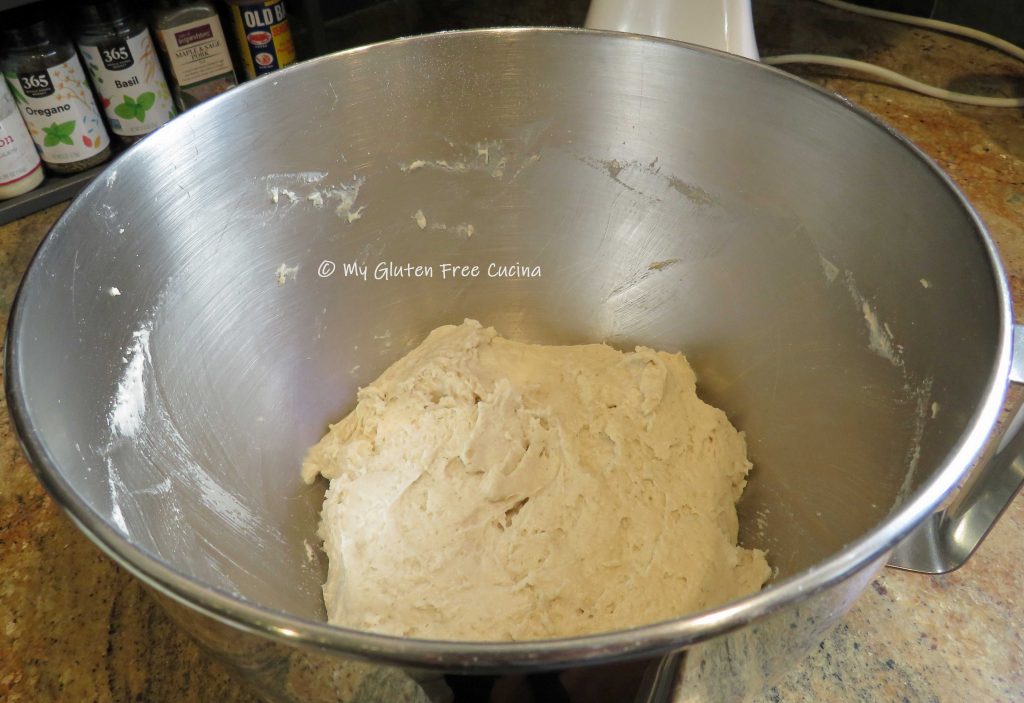
 Use a spatula to scrape down the bowl. It will be stiff. Cover and let it rest at room temperature for 30 minutes.
 After 30 minutes, lightly flour a cutting board or countertop and turn the dough out. You will be surprised at how you can actually knead this dough with your hands. Pretty cool for gluten free dough! Turn the dough onto itself several times, rotating with each turn then pull it toward the center to create tension and shape it into a ball.
 Generously flour a
  In the morning, carefully invert the dough onto a sheet of parchment. Preheat the oven to 450º with a baking stone.
 Carefully brush off the excess flour and score the top of your loaf. I did a box score.
 Place the loaf in a baking dish, sheet pan or directly onto the baking stone. I baked my loaf in a
  The bread needs to reach an internal temperature of 210º, don’t guess- use a
  I recommend waiting 24 hours before slicing, to be sure the crumb has set.
 This bread toasts up like a dream. The texture of the seeds and the crispy crust were outstanding. I wish you could hear the crunch! I have not had real pumpernickel bread since before my Celiac diagnosis, almost 9 years ago so this was a treat!
 If you don’t finish the loaf in a day or two, you’ll want to freeze it. I wrap the individual slices in plastic wrap and place them in a freezer bag.
 Notes ♪